 EN
EN
 AR
AR
 BG
BG
 CS
CS
 DA
DA
 NL
NL
 FI
FI
 FR
FR
 DE
DE
 EL
EL
 HI
HI
 IT
IT
 JA
JA
 KO
KO
 PL
PL
 PT
PT
 RO
RO
 RU
RU
 ES
ES
 SV
SV
 TL
TL
 IW
IW
 ID
ID
 LV
LV
 LT
LT
 SR
SR
 SK
SK
 SL
SL
 UK
UK
 VI
VI
 SQ
SQ
 HU
HU
 TH
TH
 TR
TR
 MS
MS
 HY
HY
 BN
BN
 LA
LA
 MY
MY
 UZ
UZ

প্লাস্টিক ওয়ার্কপিসের জন্য ভ্যাকুয়াম ইলেকট্রোপ্লেটিং লেআউট ডিজাইন এবং প্রক্রিয়া প্রবাহের ব্যাখ্যা
ধাপ ১: কাজের টুকরোর প্রস্তুতি: পরিষ্কার করা ও শুকানোর মতো প্রাথমিক চিকিৎসা প্রক্রিয়ার পর, কাজের টুকরোটি ক্ল্যাম্প করে মাউন্ট করা হয়।
ধাপ ২: পণ্যের পৃষ্ঠ পরিষ্কার করা → ইলেকট্রোস্ট্যাটিক ধূলিকণা অপসারণ কক্ষ। এর উদ্দেশ্য হলো প্লাস্টিকের অশুদ্ধি অপসারণ করা এবং কোটিংয়ের আসক্তি বৃদ্ধি করা।
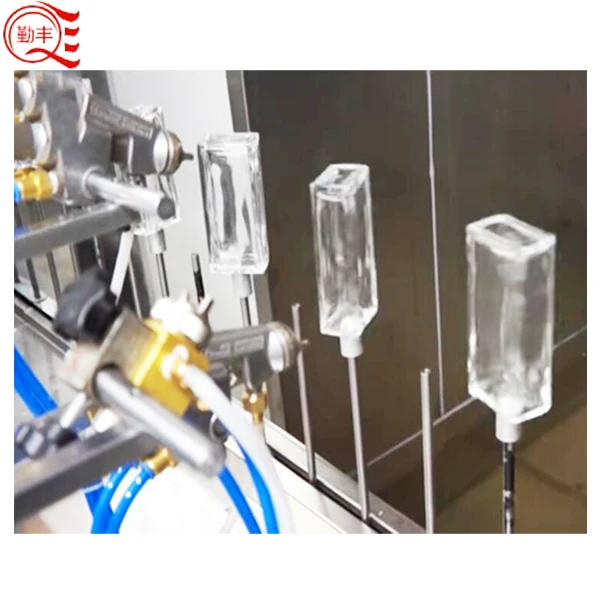
ধাপ ৩: পৃষ্ঠ প্রাথমিক চিকিৎসা → চিকিৎসা এজেন্ট স্প্রে বুথ। পৃষ্ঠের বৈশিষ্ট্যের কারণে, PE, PET, PP, PS, HDPE/LDPE, TPV, PBT এবং PPS এর মতো প্লাস্টিক উপাদানগুলিকে রং করার আগে পৃষ্ঠ সক্রিয়করণ এবং চিকিৎসা এজেন্ট প্রয়োগ করা আবশ্যক।
ধাপ ৪: প্রাইমার স্প্রে করা → প্রাইমার বেক করা। যখন প্লাস্টিকের পৃষ্ঠ অসম হয় অথবা অবশিষ্ট বুদবুদ থাকে, তখন প্রাইমার স্প্রে করা একটি মসৃণ ও সমতল ভিত্তি গঠন করে, যা বুদবুদ এবং দুর্বল চকচকানির মতো সমস্যা এড়াতে সাহায্য করে।
ধাপ ৫: পণ্যটি স্বয়ংক্রিয় লাইন থেকে আনলোড করা হয়। উপযুক্ত তাপমাত্রায় শুকানোর পর, কাজের টুকরোটি হাত দিয়ে পরীক্ষা করা হয় এবং স্থানান্তরিত করা হয়।
ধাপ ৬: ক্ল্যাম্প করা কাজের টুকরোগুলি কনভেয়ার চেইনের মাধ্যমে ভ্যাকুয়াম কোটিং এলাকায় পাঠানো হয়। ধাপ ৭: কোটিং এলাকায় পাঠানো কাজের টুকরোগুলিকে ভ্যাকুয়াম কোটিং সরঞ্জামে প্রবেশ করানো হয়। উচ্চ ভ্যাকুয়ামের অধীনে, বাষ্পীভবনের মাধ্যমে ধাতব পরমাণুগুলি প্লাস্টিকের পৃষ্ঠে জমা হয় এবং একটি সমান, অতি-পাতলা কোটিং গঠন করে।
ধাপ ৮: দ্বিতীয় লোডিং: ভ্যাকুয়াম কোটিংয়ের পরে, কাজের টুকরোগুলিকে হাত দিয়ে আনলোড করে পরীক্ষা করা হয় এবং তারপর স্বয়ংক্রিয় কোটিং লাইনে পুনরায় ক্ল্যাম্প করা হয়।
ধাপ ৯: টপকোট স্প্রে করার গুণগত মান নিশ্চিত করতে, কাজের টুকরোগুলিকে আবার ইলেকট্রোস্ট্যাটিক ধূলিমুক্তকরণ করা হয়।
ধাপ ১০: টপকোট স্প্রে করা – টপকোট স্প্রে বুথে, ভ্যাকুয়াম-কোটেড কাজের টুকরোগুলিতে ক্লিয়ার ভার্নিশ বা রঙিন পেইন্ট (ইউভি পেইন্ট বা সাধারণ পেইন্ট) প্রয়োগ করা হয় যাতে পিভিডি ফিল্মটি শক্তিশালী করা যায় অথবা সজ্জার উদ্দেশ্যে ব্যবহার করা যায়। বিভিন্ন উদ্দেশ্যে বিভিন্ন রং স্প্রে করা হয়।
টপকোট এবং প্রাইমার উভয় স্প্রে করার পরে, কাজের টুকরোগুলিকে শুকানোর ওভেনে শুকানো বা কিউর করা (ইউভি পেইন্টের ক্ষেত্রে) প্রয়োজন হয়।
ধাপ ১১: আনলোডিং এবং পরীক্ষা-নিরীক্ষা: দুটি স্প্রে এবং শুষ্কীকরণ প্রক্রিয়ার পর, পণ্যগুলি আনলোডিং, পরীক্ষা-নিরীক্ষা এবং প্যাকেজিং পর্যায়ে প্রবেশ করে।
পোস্ট-প্রসেসিং পর্যায়: ম্যানুয়াল পরীক্ষা-নিরীক্ষা → চূড়ান্ত পণ্য প্যাকেজিং। টপকোট কোটিংটিকে রক্ষা করতে পারে, পৃষ্ঠের চকচকে ভাব ও টেক্সচার বৃদ্ধি করতে পারে এবং রংগুলিও প্রয়োজন অনুযায়ী কাস্টমাইজ করা যেতে পারে।
গরম খবর
-
গহনা ভ্যাকুয়াম কোটিং (PVD)
2026-07-07
-
শিনকিনফেং কাচ, প্লাস্টিক এবং ধাতু শুষ্ক করার জন্য পেশাদারভাবে কাস্টমাইজড উচ্চ ও নিম্ন তাপমাত্রার টানেল ওভেন সরবরাহ করে।
2026-07-07
-
শিনকিনফেং-এর সম্পূর্ণ স্বয়ংক্রিয় ছোট কাজের টুকরোর স্প্রে উৎপাদন লাইনটি শীঘ্রই হস্তান্তর করা হবে।
2026-06-30
-
পেইন্ট মিস্ট শোধন ও পরিবেশবান্ধব স্প্রেয়িং-এর জন্য পেশাদার ওয়াটার কার্টেন বুথ
2026-06-23