 EN
 AR
 BG
 CS
 DA
 NL
 FI
 FR
 DE
 EL
 HI
 IT
 JA
 KO
 PL
 PT
 RO
 RU
 ES
 SV
 TL
 IW
 ID
 LV
 LT
 SR
 SK
 SL
 UK
 VI
 SQ
 HU
 TH
 TR
 MS
 HY
 BN
 LA
 MY
 UZ

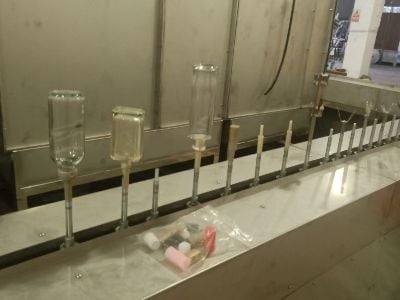
The benefits of automatic UV spray coating lines are significant for manufacturers seeking fast curing production solutions. These systems not only enhance efficiency but also improve product quality and consistency. B2B buyers, such as purchasing managers and engineers, are often concerned with aspects like production speed, operational costs, and the technology’s suitability for their specific applications. This article will provide insights into the benefits of automatic UV Spray paint line, key specifications, common installation challenges, various industry applications, and solutions to typical production problems.
Benefits of Automatic UV Spray Coating Line in Fast Curing Production
Automatic UV spray coating lines expedite the curing process, allowing for rapid production cycles. Compared to traditional coating methods, these lines utilize UV light to cure coatings instantaneously, significantly reducing downtime between applications. This efficiency translates to increased throughput, allowing manufacturers to meet tight deadlines and high-volume demands.
Moreover, these systems ensure uniform coating thickness and consistent finish quality, minimizing the risk of defects. Improved accuracy in application leads to less waste of materials and resources, resulting in cost savings over time. Additionally, the automation aspect reduces labor costs and the potential for human error, enhancing overall productivity.
In industries where time is critical, such as electronics and automotive, the adoption of automatic Automatic uv spray coating line can provide a competitive edge, facilitating quicker product launches and responsiveness to market demands.
Key Specifications of Automatic UV Spray Coating Lines for Buyers
When evaluating automatic UV spray coating lines, buyers should consider several key specifications:
Curing Speed: This indicates how quickly the UV light can cure the coating. Faster curing speeds can lead to increased production efficiency.
Coating Thickness: The ability to control coating thickness is crucial for applications requiring precision. Buyers should assess the machine's capability to achieve the desired thickness consistently.
Automation Level: Full automation can minimize labor costs and improve consistency. Understanding the level of automation available can help buyers choose a system that aligns with their operational needs.
Material Compatibility: Not all UV coatings are compatible with every substrate. Buyers should confirm that the line can handle the materials they plan to use, including plastics, metals, and composites.
Energy Efficiency: An efficient system can lead to significant cost savings in the long run. Evaluating the energy consumption of the UV spray coating line is essential for budgeting.
Confirming these specifications before purchase can help ensure that the chosen system meets production requirements and application standards.
Common Installation Challenges with Automatic UV Spray Coating Systems
Installing an automatic UV spray coating line comes with its set of challenges. Buyers should anticipate potential hurdles, including:
Space Constraints: These systems often require considerable floor space for both the equipment and the associated handling systems. Evaluating the available space and planning for efficient layout is crucial.
Integration with Existing Systems: Ensuring compatibility with current production lines can be complex. Buyers should assess how the new system will integrate with existing machinery and workflows to avoid disruptions.
Training Requirements: Staff may need training to operate the new equipment effectively. Investing in training programs can mitigate operational issues post-installation.
Regulatory Compliance: Depending on the industry, there may be compliance requirements related to emissions or safety. Buyers must ensure that the Automatic uv spray coating machine meets all necessary regulations before installation.
Planning for these challenges can streamline the installation process and enhance the effectiveness of the new system.
Applications of Automatic UV Spray Coating Lines in Various Industries
Automatic UV spray coating lines find applications across numerous industries due to their versatility. Key sectors include:
Electronics: In electronics manufacturing, these lines are used to apply protective coatings on circuit boards and components, enhancing durability and performance.
Automotive: The automotive industry utilizes UV spray coating for finishing parts, ensuring a consistent and high-quality appearance while providing protective barriers against environmental factors.
Furniture: UV coatings are popular in the furniture industry for providing aesthetic finishes that are also resistant to scratches and chemicals.
Packaging: In packaging, UV spray coatings are applied to enhance print quality and durability, especially for food and beverage packaging that requires strict compliance with safety standards.
These applications demonstrate the adaptability of automatic UV spray coating lines, making them valuable assets for manufacturers in diverse fields.
Solutions for Problems Encountered in UV Spray Coating Production
While automatic UV spray coating lines offer numerous benefits, they can also present challenges during production. Common issues include:
Inconsistent Coating Quality: Variability in coating quality can arise from improper machine settings or material inconsistencies. Regular calibration and maintenance of the equipment can help ensure consistent application.
UV Lamp Performance: The effectiveness of the curing process depends on the performance of UV lamps. Monitoring lamp intensity and replacing them as needed can prevent under-curing, which may lead to adhesion failures.
Material Compatibility Issues: Not all coatings are suitable for every substrate. Buyers should conduct compatibility tests to identify potential issues before full-scale production.
Environmental Conditions: Temperature and humidity can affect the curing process. Maintaining controlled conditions in the production area is essential to avoid variances in coating performance.
By proactively addressing these potential problems, manufacturers can enhance the reliability of their UV spray coating operations and maintain high standards of quality.
Automatic UV spray coating lines offer significant advantages for fast curing production, particularly in industries where efficiency and quality are paramount. By understanding the key specifications, installation challenges, applications, and potential problems, buyers can make informed decisions to optimize their coating processes.
Table of Contents
- Benefits of Automatic UV Spray Coating Line in Fast Curing Production
- Key Specifications of Automatic UV Spray Coating Lines for Buyers
- Common Installation Challenges with Automatic UV Spray Coating Systems
- Applications of Automatic UV Spray Coating Lines in Various Industries
- Solutions for Problems Encountered in UV Spray Coating Production