 EN
EN
 AR
AR
 BG
BG
 CS
CS
 DA
DA
 NL
NL
 FI
FI
 FR
FR
 DE
DE
 EL
EL
 HI
HI
 IT
IT
 JA
JA
 KO
KO
 PL
PL
 PT
PT
 RO
RO
 RU
RU
 ES
ES
 SV
SV
 TL
TL
 IW
IW
 ID
ID
 LV
LV
 LT
LT
 SR
SR
 SK
SK
 SL
SL
 UK
UK
 VI
VI
 SQ
SQ
 HU
HU
 TH
TH
 TR
TR
 MS
MS
 HY
HY
 BN
BN
 LA
LA
 MY
MY
 UZ
UZ

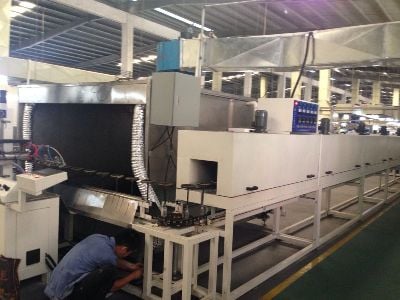
An industrial coating line spraying system is essential for achieving consistent, high-quality finishes in various manufacturing processes. By employing advanced technology and precision application methods, these systems help manufacturers meet stringent quality standards while enhancing productivity. For B2B buyers, concerns often revolve around the reliability of equipment, the quality of the finish, operational efficiency, and the ability to customize solutions for specific applications. This article will explore how an industrial Coating line spraying system improves finishing consistency, helping you make informed purchasing decisions.
How an Industrial Coating Line Enhances Finishing Consistency?
An industrial coating line spraying system utilizes automated spraying techniques to ensure uniform application of coatings across different surfaces. This uniformity is crucial for achieving the desired aesthetic and functional properties of the final product. Consistent Spray coating line thickness reduces the risk of defects such as runs, sags, or uneven textures, which can lead to costly rework or product rejection.
Key factors that contribute to finishing consistency include:
Spray Technology: Advanced spray technologies, such as electrostatic spraying, ensure that paint particles are charged and attracted to the surface, leading to more efficient coating application and reduced overspray.
Process Automation: Automated systems minimize human error and variability in the application process. With programmable parameters, manufacturers can easily replicate settings for different batches, ensuring each product meets the same specifications.
Quality Control Mechanisms: Integrated quality control measures, such as real-time monitoring of coating thickness and adhesion, provide immediate feedback, allowing for quick adjustments if inconsistencies are detected.
Overall, these features enhance the reliability of the coating process, resulting in products that meet the high standards of industries such as electronics, automotive, and consumer goods.
Choosing the Right Supplier for Industrial Coating Equipment
Selecting a reliable supplier for industrial coating equipment is critical to ensuring operational efficiency and product quality. When evaluating potential suppliers, consider the following factors:
Expertise and Experience: Look for suppliers with a proven track record in the manufacturing of Paint spray coating equipment. Companies with extensive experience, like Shenzhen Xinqinfeng Industrial Equipment Co., Ltd., which boasts 20 years of R&D expertise, can provide valuable insights and tailored solutions.
Customization Capabilities: Every manufacturing process is unique. Ensure the supplier can offer customized solutions that meet your specific needs, whether that involves adjusting machine parameters or developing non-standard equipment.
After-Sales Support: A supplier’s commitment to customer service, including installation support, training, and maintenance services, is vital. Strong after-sales support can significantly reduce downtime and maintenance costs.
References and Case Studies: Request references from existing customers and explore case studies that showcase successful implementations. This can provide confidence in the supplier’s ability to deliver as promised.
By thoroughly vetting suppliers based on these criteria, you can ensure you partner with a company that aligns with your operational goals and quality expectations.
Evaluating Quality Control in Coating Line Manufacturing
Quality control is a pivotal aspect of any industrial coating line. It begins with the selection of materials and extends through the entire manufacturing process. Key considerations for evaluating quality control include:
Material Specifications: Verify that the materials used in the coating process (paints, solvents, etc.) meet industry standards and are suitable for your application. The right material selection can drastically affect the performance and durability of the final product.
Production Processes: Investigate the manufacturer’s production methods and equipment. Advanced machinery, like those offered by Shenzhen Xinqinfeng, often includes built-in quality control features that help maintain consistency throughout the production cycle.
Testing Protocols: Ensure that the supplier conducts regular testing of both raw materials and finished products. Common tests include adhesion, hardness, and environmental resistance, which can help identify potential issues early in the production process.
Certifications: Look for certifications that reflect adherence to industry standards, such as ISO 9001, which can provide assurance of the manufacturer’s commitment to quality and continuous improvement.
By focusing on these quality control elements, buyers can mitigate risks associated with product defects and ensure that the coating line meets their operational standards.
Common Problems with Coating Lines and Their Solutions
While industrial coating lines are designed to optimize the coating process, several common issues can arise. Understanding these challenges and their solutions can save time and resources:
Inconsistent Coating Thickness: Variability in thickness can be caused by equipment malfunction or improper setup. Regular maintenance and calibration of spraying equipment can help maintain consistency.
Surface Preparation Issues: Poor surface preparation can lead to adhesion failures. Implementing thorough cleaning and pre-treatment protocols before coating can enhance surface quality.
Environmental Factors: Temperature and humidity can significantly affect coating performance. Installing climate control systems or conducting operations in controlled environments can help mitigate these effects.
Equipment Downtime: Unexpected breakdowns can halt production. Choosing a supplier that offers robust support and readily available replacement parts can minimize downtime.
By proactively addressing these common issues, manufacturers can enhance the efficiency and reliability of their coating lines.
Applications of Coating Line Systems Across Various Industries
Industrial coating line spraying systems are versatile and find applications across multiple sectors. These include:
Electronics: In electronics manufacturing, coatings are applied to protect components from moisture and corrosion, ensuring longevity and performance.
Automotive: The automotive industry relies on consistent coatings for aesthetics and protection. Coating lines provide finishes that withstand harsh environmental conditions while meeting safety and regulatory standards.
Consumer Products: From furniture to appliances, coatings enhance the appearance and durability of consumer goods. Tailored solutions ensure that finishes meet both aesthetic demands and functional requirements.
Industrial Equipment: Coatings are applied to industrial machinery to protect against wear and corrosion, extending the lifespan of equipment while maintaining operational efficiency.
By understanding the specific applications of coating line systems, buyers can make informed decisions about equipment that best meets their industry needs.