 EN
EN
 AR
AR
 BG
BG
 CS
CS
 DA
DA
 NL
NL
 FI
FI
 FR
FR
 DE
DE
 EL
EL
 HI
HI
 IT
IT
 JA
JA
 KO
KO
 PL
PL
 PT
PT
 RO
RO
 RU
RU
 ES
ES
 SV
SV
 TL
TL
 IW
IW
 ID
ID
 LV
LV
 LT
LT
 SR
SR
 SK
SK
 SL
SL
 UK
UK
 VI
VI
 SQ
SQ
 HU
HU
 TH
TH
 TR
TR
 MS
MS
 HY
HY
 BN
BN
 LA
LA
 MY
MY
 UZ
UZ

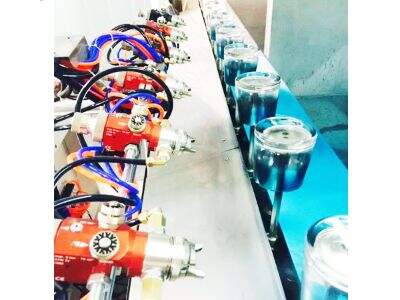
Coating vertical surfaces with paint evenly and smoothly can be a challenge. But with the correct tools and materials, it is possible to get a great result. Here at Xinqinfeng, we understand the necessity of a consistent coat when painting. Whether your job is big or small, a painting project can take a toll on your bank account and cause plenty of headaches if you aren’t prepared for what’s in store.
Introduction
To ensure even thickness of the coating on vertical surfaces with automatic spray paint ( 11 There are a couple of points you should be aware of. First, get the settings of your spray system right. That’s making sure the spray nozzle is set up to deliver the correct pattern and width. Too wide of a spray pattern and you can waste paint or even create drips. A narrow one, if it’s too narrow you won’t be able to cover the surface properly. Attempt to I maintain a relatively consistent distance from the piece you are painting. A decent rule of thumb is to hold the sprayer some 10 to 12 inches away. Just keep moving your hand steadily, and with a smooth rhythm while spraying. This helps prevent uneven spots. Also, think about the pace of your forward progression. If you move too quickly, you might not lay down enough paint; if you’re too slow, the reverse happens — and you get runs. This might take a little practice, but the correct speed Finally, you want to be sure that you’re using a high-quality paint that’s designed for airless spray application. Thicker paints can clog the nozzle or lead to uneven application, and too thin of a paint won't stick.
Benefits
Several key considerations are associated with achieving the right spray thickness when using automatic systems. First, you should look into the pressure controls on your sprayer. Too much pressure causes overspray, too little may not provide enough coverage. Pressure will vary depending on what kind of paint you are using. Next, consider the environmental conditions. Humidity and temperature can impact how paint dries and sticks. And if it is too humid, the paint may dry in an uneven thickness. If it’s very hot, the paint may dry too fast though that can also lead to problems. Try to paint in a less windy place if you can. And then, of course: You must also consider the kind of spray tip you’re using. Various nozzles can produce various spray patterns and film thicknesses. Select a tip according to the paint you’re using and the surface being painted. It can also be beneficial to maintain clean equipment. Blocked nozzles may result in uneven spraying. To avoid this, you need to clean your spray gun often. Lastly, plan your painting strategy. Work in areas with overlapping to insure complete coverage.
Quality
It can be a challenge to get uniform film thickness when spray painting vertical surfaces. There are some universal problems that can influence how thick or thin the paint body is applied. One problem is gravity. When you spray paint in a vertical direction, there is a chance that the paint may run down, which will result in rough patches. That results in some areas receiving too much paint, while others don’t get enough. The distance between the Automatic paint spraying line is also a problem. Too much distance, and the paint can spread too far and get thin. Too close, and you can build up the paint and get drips. Wind and air pressure can also disrupt things. If it’s too windy, the paint may simply blow away or dry too fast, leaving patches of uneven color.
Application
Automatic spray paint applications can ease the application of paint to walls and ceilings. One big advantage is consistency. Paint is applied at a steady stream with Automatic paint line that each section receives the same amount of paint and it appears uniform. Time is also saved by automatic systems. The machine can paint fast and accurately, instead of by hand. This is particularly useful for large projects where there's a big surface to be painted. Plus, those machines can also be modified to suit the job. Adapt the speed and pressure to achieve the desired thickness. This lets you apply just enough paint so it fits differently surfaces.
Conclusion
How thick the paint goes on when painting Automatic paint spray line can depend on many factors. The first one is the paint. Different paints have different viscosities some are thicker, some are thinner. Heavier paints will require you to increase the pressure to spray it even, and vice versa for thinner paints. The next thing that matters is the spray nozzle. Not all spray nozzles are created equal and different ones can affect how much paint comes out. A bigger nozzle will allow you to cover more area faster, but that could also result in thicker applications in certain spots. The third is the velocity of the spray machine. If the machine moves too quickly, it may not allow enough time for the paint to settle evenly on the surface. On the other hand, if it goes too slow, your door may end up with an excessive amount of paint in one place and could drip.