
 EN
EN
 AR
AR
 BG
BG
 CS
CS
 DA
DA
 NL
NL
 FI
FI
 FR
FR
 DE
DE
 EL
EL
 HI
HI
 IT
IT
 JA
JA
 KO
KO
 PL
PL
 PT
PT
 RO
RO
 RU
RU
 ES
ES
 SV
SV
 TL
TL
 IW
IW
 ID
ID
 LV
LV
 LT
LT
 SR
SR
 SK
SK
 SL
SL
 UK
UK
 VI
VI
 SQ
SQ
 HU
HU
 TH
TH
 TR
TR
 MS
MS
 HY
HY
 BN
BN
 LA
LA
 MY
MY
 UZ
UZ

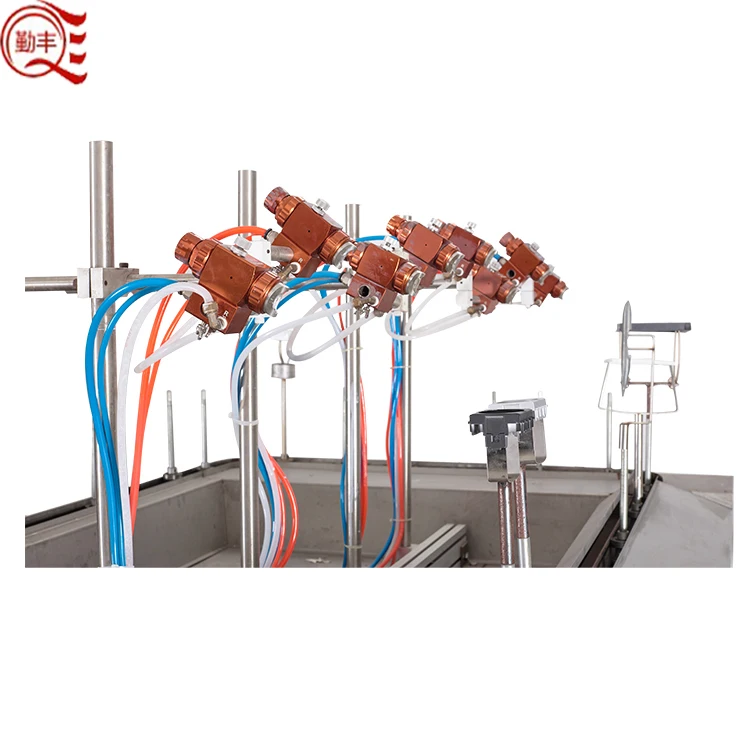
When considering UV & PU paint options for plastic coating spray machines, it is crucial to understand the various attributes that influence performance and suitability for specific applications. Buyers often face concerns related to compatibility, quality, and supplier reliability. This article aims to provide insights on evaluating paint quality, sourcing suppliers, pricing, specifications, and installation guidance to help you make informed decisions.
How to Evaluate the Quality of UV & PU Paint for Your Projects
Evaluating the quality of UV and PU paints is essential to ensure optimal performance and durability in your applications. Key factors to consider include:
Adhesion Properties: Check how well the paint adheres to the plastic surface. Poor adhesion can lead to chipping or peeling, affecting the finish and longevity of the coating.
Chemical Resistance: Assess the paint's ability to withstand exposure to chemicals and solvents. This is particularly important in industrial settings where various substances may come into contact with the coated surface.
UV Stability: Ensure that the UV painting machine offers protection against fading and degradation when exposed to sunlight. This is critical for outdoor applications or environments with high UV exposure.
Finish and Appearance: Evaluate the paint’s finish, whether matte, satin, or gloss. The desired aesthetic will depend on your specific project requirements.
Curing Time: Understand the curing process whether it requires UV light or IR heat and how it aligns with your production timeline.
Technical Specifications: Review the paint's data sheets for viscosity, density, and drying times, as these can significantly impact application methods and results.
Where to Find Reliable Suppliers for UV & PU Plastic Coating Paint
Finding a reliable supplier for UV and PU plastic coating paints involves thorough research and consideration of several factors:
Industry Reputation: Look for suppliers with a proven track record in the industrial coating sector. Reviews and testimonials from other businesses can provide insight into their reliability and product quality.
Certifications and Compliance: Ensure that the supplier complies with industry standards and holds relevant certifications for their products. This ensures that the paints meet quality and safety regulations.
Customization Capabilities: Suppliers should offer customization options to tailor the paint formulations to your specific application needs. This includes variations in color, finish, and performance characteristics.
Technical Support: Choose suppliers that provide technical assistance and guidance. This can be helpful for troubleshooting and ensuring proper application techniques.
Sample Availability: Request samples before making a bulk purchase. Testing the paint on your actual substrates can help assess performance and compatibility.
Pricing and Availability
Pricing for UV paint line and PU paint can vary widely based on several factors, including:
Material Costs: The base materials used in the paint formulation, such as resins and pigments, can impact overall costs. Higher-quality materials often result in better performance but may also increase the price.
Order Volume: Bulk orders typically receive discounts. Understanding your minimum order quantity (MOQ) can help in negotiating better pricing.
Lead Times: Availability may affect pricing, especially if you require a quick turnaround. Suppliers may charge a premium for expedited orders.
Shipping and Handling: Consider additional costs related to shipping, especially if the supplier is located internationally. Ensure you factor in these costs when comparing prices.
Market Trends: Keep an eye on market fluctuations that may influence paint prices, such as changes in raw material availability or regulatory impacts.
Comparing UV & PU Paint Specifications for Your Business Needs
When comparing UV and PU paint specifications, focus on aspects that directly impact your operational requirements:
Viscosity: This affects application methods, such as spraying or brushing. Ensure compatibility with your existing coating equipment.
Drying and Curing Times: Evaluate how quickly the paint dries or cures, as this can significantly impact production speeds. UV paints typically cure faster than traditional solvent-based paints.
Film Thickness: The required film thickness will depend on the application's protective needs. Thicker films may offer better durability but can also lead to longer drying times.
Environmental Resistance: Consider the specific environmental conditions the coated surface will face, such as moisture, temperature extremes, and chemical exposure.
Color Retention: Assess the paint’s ability to maintain its color over time, especially for applications exposed to sunlight or harsh conditions.
Installation Guidance for UV & PU Paint in Plastic Coating Machines
Proper installation of UV coating line and PU paint in plastic coating machines is crucial for achieving optimal results. Here are some essential steps to follow:
Surface Preparation: Ensure that the plastic surface is clean and free from contaminants. Surface preparation, such as sanding or priming, may be necessary to improve adhesion.
Application Method: Determine whether to use spray, brush, or roll application methods based on the paint's viscosity and your equipment. Spraying is often preferred for a smooth finish.
Curing Process: Follow the manufacturer's guidelines for curing, especially for UV paints that require specific light wavelengths for proper curing. Ensure that your equipment is calibrated for the correct curing intensity and time.
Environmental Controls: Maintain appropriate temperature and humidity levels in the application area to ensure optimal paint performance and adhesion.
Quality Inspection: After application, inspect the coated surface for consistency, defects, or areas needing touch-ups. Conduct adhesion tests if necessary to ensure the paint properly bonds to the substrate.
By understanding these key aspects of UV and PU paint options for plastic coating spray machines, you can make better purchasing decisions tailored to your specific needs. Ensure thorough evaluation and communication with your chosen supplier for optimal outcomes in your projects.