 EN
 AR
 BG
 CS
 DA
 NL
 FI
 FR
 DE
 EL
 HI
 IT
 JA
 KO
 PL
 PT
 RO
 RU
 ES
 SV
 TL
 IW
 ID
 LV
 LT
 SR
 SK
 SL
 UK
 VI
 SQ
 HU
 TH
 TR
 MS
 HY
 BN
 LA
 MY
 UZ

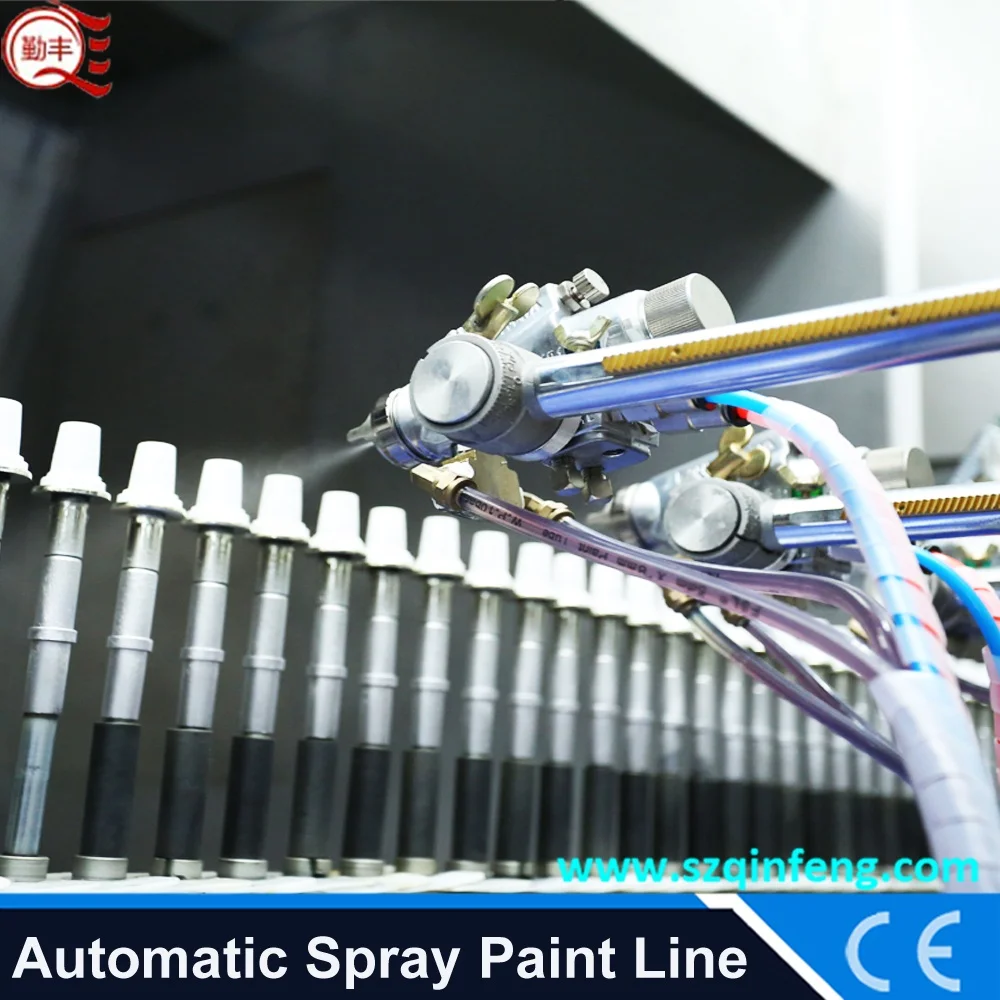
In manufacturing, the efficiency and quality of your production line can significantly impact your bottom line. This is especially true when it comes to the key design requirements for non-stick pot spray paint lines. Buyers in this sector often prioritize factors like equipment reliability, application precision, and the ability to meet specific performance standards. This article aims to provide you with a comprehensive understanding of what to consider when selecting and evaluating non-stick pot spray paint lines for your operations.
Key Specifications for Non Stick Pot Spray Paint Lines in Manufacturing
When assessing non-stick pot full spray paint line, several key specifications should be prioritized to ensure optimal performance.
Spray Technology: The type of spray technology used (e. g., airless, electrostatic, or conventional) can greatly affect the coating application. Airless systems are often preferred for their ability to deliver a uniform coating with minimal overspray, enabling efficient paint usage.
Curing Systems: Many non-stick coatings require a specific curing process to achieve their desired properties. Understanding whether the line includes UV or IR curing systems can influence the coating's durability and chemical resistance.
Production Capacity: Buyers must consider the production capacity of the paint line, which should align with their manufacturing needs. This includes understanding the line's throughput, cycle times, and the ability to handle varying pot sizes.
Customization Options: Non-standard solutions may be needed based on the specific applications of the non-stick coatings. Ensure the equipment can be customized to meet unique requirements, such as different pot geometries or coating thickness.
Quality Control Features: Integrated quality control mechanisms, such as automated inspection systems, can help maintain product consistency and reduce waste, which is crucial for large-scale operations.
How to Choose the Right Non Stick Pot Spray Paint Equipment for Your Needs
Selecting the right non-stick pot spray paint equipment involves evaluating several factors to match your operational needs effectively.
Application Requirements: Assess the specific requirements for the non-stick coating, including adhesion, durability, and thermal properties. This can determine the necessary specifications for the spray paint line.
Compatibility with Existing Systems: Ensure compatibility with your existing production lines. The equipment should integrate seamlessly with other manufacturing processes to minimize disruptions.
Supplier Expertise: Choose a supplier with proven experience in manufacturing non-stick pot spray paint lines. A company like Shenzhen Xinqinfeng Industrial Equipment Co., Ltd., known for its advanced production capabilities and custom solutions, can provide valuable insights and support.
Budget Considerations: Factor in the total cost of ownership, including initial investment, maintenance, and operational costs. A lower upfront cost may lead to higher long-term expenses if the equipment lacks efficiency or reliability.
Lead Time and Support: Investigate the lead time for equipment delivery and the level of after-sales support offered. Reliable support can significantly reduce downtime and enhance production efficiency.
Evaluating the Quality of Non Stick Pot Spray Paint Solutions for Bulk Orders
When placing bulk orders for non-stick pot spray painting solutions, evaluating quality is paramount to ensure consistent performance.
Sample Testing: Before committing to a bulk order, obtain samples for testing. This allows you to evaluate the coating’s adhesion, durability, and non-stick properties under actual operating conditions.
Material Specifications: Ensure that the paint solution meets industry standards and is compatible with the materials used in your pots. This may include checking for chemical resistance and temperature tolerance.
Quality Assurance Processes: Inquire about the manufacturer's quality assurance processes, including testing protocols and certifications that validate the paint’s performance. A robust QA system is essential for minimizing defects and ensuring batch consistency.
Performance Metrics: Establish key performance metrics for the coatings, such as wear resistance and resistance to chemical exposure. This information will help you assess whether the paint meets your operational standards.
Supplier Reputation: Research the supplier's reputation in the industry. Positive reviews and established relationships with other manufacturers can provide confidence in the quality of their products.
Installation Guidance for Non Stick Pot Spray Paint Equipment in Your Facility
Proper installation of non-stick pot spray paint equipment is critical to ensure optimal performance and longevity.
Site Assessment: Conduct a thorough site assessment before installation to identify any potential challenges, such as space constraints or electrical requirements. This helps ensure that the equipment will function effectively within your facility.
Professional Installation: Consider hiring professionals for installation to guarantee that all systems are correctly set up. This includes calibrating spray nozzles and ensuring proper alignment of curing units.
Training for Operators: Provide comprehensive training for your operators on the new equipment. Understanding the operational nuances can help reduce errors and improve overall efficiency.
Maintenance Planning: Develop a maintenance plan to regularly check and maintain equipment. This should include routine inspections, cleaning schedules, and prompt repairs to minimize downtime.
Documentation: Keep detailed installation and operational documentation. This will be invaluable for troubleshooting and future reference during maintenance or upgrades.
Applications of Non Stick Pot Spray Paint in Various Manufacturing Industries
The versatility of non-stick pot spray booth ventilation system extends across several manufacturing industries, making it a sought-after solution for various applications.
Cookware Manufacturing: Non-stick coatings are primarily used in cookware, providing an easy-release surface that enhances cooking efficiency. This application requires precise control over the coating process to ensure consistent thickness and performance.
Automotive Parts: In the automotive industry, non-stick coatings can be applied to components that require high-temperature resistance and chemical durability. This enhances the longevity of parts exposed to harsh environments.
Industrial Equipment: Equipment used in food processing often benefits from non-stick coatings, which prevent material buildup and facilitate easier cleaning. This is essential for maintaining hygiene standards.
Consumer Products: Beyond cookware, non-stick coatings are applied to various consumer products, including bakeware and kitchen gadgets, enhancing usability and consumer satisfaction.
Medical Devices: Non-stick coatings are also utilized in medical devices to prevent material adhesion and facilitate easier cleaning, which is crucial for maintaining sterility.
Understanding the key design requirements for non-stick pot spray paint lines is essential for making informed purchasing decisions. By evaluating specifications, choosing appropriate equipment, and ensuring quality, buyers can enhance their manufacturing processes and improve product outcomes.
Table of Contents
- Key Specifications for Non Stick Pot Spray Paint Lines in Manufacturing
- How to Choose the Right Non Stick Pot Spray Paint Equipment for Your Needs
- Evaluating the Quality of Non Stick Pot Spray Paint Solutions for Bulk Orders
- Installation Guidance for Non Stick Pot Spray Paint Equipment in Your Facility
- Applications of Non Stick Pot Spray Paint in Various Manufacturing Industries