 EN
 AR
 BG
 CS
 DA
 NL
 FI
 FR
 DE
 EL
 HI
 IT
 JA
 KO
 PL
 PT
 RO
 RU
 ES
 SV
 TL
 IW
 ID
 LV
 LT
 SR
 SK
 SL
 UK
 VI
 SQ
 HU
 TH
 TR
 MS
 HY
 BN
 LA
 MY
 UZ

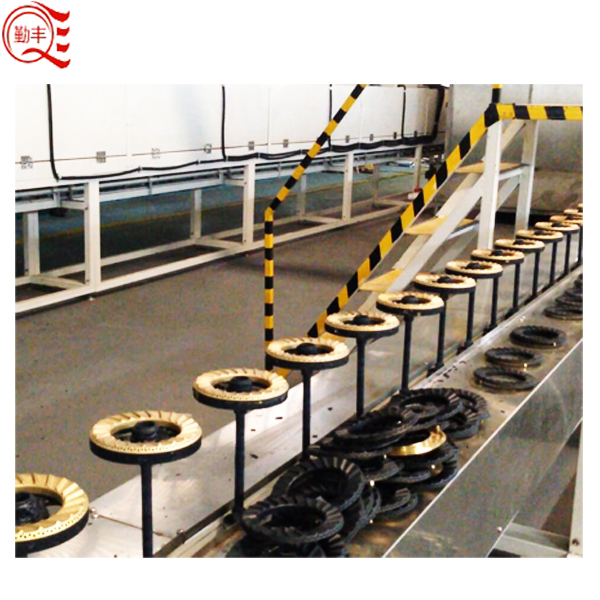
Automatic UV spray coating lines are essential in modern manufacturing, providing a fast and efficient method for applying coatings to a variety of surfaces. However, like all machinery, they can encounter common issues that may disrupt production. Understanding how to troubleshoot these problems is critical for purchasing managers, engineers, and product managers to ensure operational efficiency and minimize downtime. We will explore key specifications to consider, how to choose reliable suppliers, evaluate quality control measures, cost factors, and where to find expert support for troubleshooting issues with automatic UV spray coating lines.
Key Specifications to Consider for UV Spray Coating Equipment
When selecting automatic UV spray coating equipment, several specifications should be examined closely. Understanding these can significantly impact performance and suitability for your applications.
Coating Thickness: The desired thickness of the coating directly influences the machine's settings. Different applications may require varying thicknesses for optimal performance. Buyers should ensure the equipment can accommodate these requirements without compromising quality.
Curing Speed: The efficiency of UV curing is crucial. A faster curing speed can lead to increased production rates, but it's essential to ensure that the speed does not negatively affect the final coating quality. Evaluate the machine's UV lamp specifications and the type of coatings used.
Temperature Control: Maintaining the right temperature during the application and curing processes is critical. Inconsistent temperatures can lead to defects in the coating. Look for equipment with precise temperature controls and monitoring systems to ensure consistent results.
Material Compatibility: Different coatings may require specific types of spray nozzles or application methods. Ensure that the equipment can handle the materials you intend to use, whether they are water-based, solvent-based, or UV-cured.
Production Capacity: Assess the machine's production capacity to meet your operational needs. This includes understanding the maximum size of parts it can process and the throughput rates to align with your production schedules.
By focusing on these specifications, buyers can better align their equipment choices with production needs and avoid common pitfalls associated with mismatched machinery.
How to Choose Reliable Suppliers for UV Coating Systems
Selecting a reliable supplier for UV coating systems is crucial for long-term operational success. Here are key factors to consider during the selection process:
Industry Experience: Look for suppliers with a proven track record in manufacturing UV spray coating lines. Companies like Shenzhen Xinqinfeng Industrial Equipment Co., Ltd. have over 20 years of experience, which can translate into valuable insights and a comprehensive understanding of industry challenges.
Customization Capabilities: Every production environment is unique. A supplier that offers customized solutions can cater to specific needs, such as specialized equipment configurations or unique production processes.
Quality Certifications: Verify any quality certifications that the supplier holds. This could include ISO certifications or other industry-specific quality assurance standards, which indicate a commitment to quality and reliability.
Technical Support and Services: Reliable suppliers should offer robust after-sales support, including installation, training, and ongoing maintenance. This support is essential for troubleshooting and ensuring the longevity of the equipment.
Client References: Request references from existing clients to gain insights into their experiences with the supplier. Positive testimonials can provide additional assurance of the supplier’s reliability and service quality.
By focusing on these factors, you can make a well-informed decision that enhances your production capabilities and minimizes risks.
Evaluating Quality Control in Automatic UV Spray Coating Lines
Quality control is a critical aspect of any manufacturing process, particularly in automatic UV spray coating line applications. Here are some points to consider when evaluating the quality control measures of a potential supplier:
Incoming Material Inspection: Ensure that the supplier implements rigorous inspection protocols for incoming raw materials. This helps in identifying any defects before they can affect the coating process.
In-Process Quality Checks: Look for suppliers that conduct regular quality checks during the coating process. This includes monitoring the application thickness, curing time, and adhesion quality to ensure compliance with specifications.
Final Product Testing: A robust quality control process involves comprehensive testing of the final product. This may include adhesion tests, scratch resistance tests, and visual inspections to ensure the coating meets your specifications.
Documentation and Traceability: Reliable suppliers maintain detailed records of quality checks and testing outcomes. This documentation is crucial for traceability and can be invaluable for resolving any issues that arise post-production.
Feedback Mechanisms: A good quality control process includes mechanisms for feedback and continuous improvement. Suppliers should be open to incorporating customer feedback to enhance their processes and products.
Evaluating these quality control measures will help ensure that the UV spray coating lines you invest in will deliver consistent and high-quality results.
Cost Factors for Purchasing Automatic UV Spray Coating Lines
Understanding the total cost of ownership is essential when considering the purchase of automatic UV spray coating lines. Several factors contribute to the overall cost:
Initial Purchase Price: The upfront cost of the equipment is typically the most visible expense. However, it's essential to consider whether the price reflects the quality and capabilities offered.
Operational Costs: Include costs related to energy consumption, maintenance, and any consumables required for the operation of the UV coating equipment. These ongoing costs can significantly impact the overall budget.
Customization Costs: If your production needs require custom features, factor in the additional costs associated with customization. While tailored solutions can enhance efficiency, they may also increase the initial investment.
Training and Support: Consider whether the supplier includes training for your staff and ongoing support in the purchase price. Initial training is critical to ensure your team can operate the equipment effectively and troubleshoot minor issues.
Long-term Reliability: Investing in high-quality equipment may have a higher initial cost but can lead to lower maintenance expenses and longer service life. Evaluate the supplier's reputation for durability to understand potential long-term savings.
By analyzing these cost factors, you can develop a clearer picture of the total financial commitment required for acquiring automatic UV spray coating lines.
Where to Find Expert Support for UV Coating Troubleshooting
Having access to expert support for troubleshooting is essential for minimizing downtime and maintaining production efficiency. Here are some resources to consider:
Supplier Support Services: Many reputable suppliers offer dedicated support teams to assist customers with troubleshooting. This can include phone support, on-site assistance, or remote diagnostics to address issues quickly.
Industry Forums and Associations: Joining industry-specific forums and associations can provide access to a network of professionals who share insights and solutions for common problems encountered in UV painting machine applications.
Technical Documentation: Suppliers often provide manuals, troubleshooting guides, and technical documentation that can be invaluable when addressing issues. Ensure that these resources are readily available and easy to understand.
Training Programs: Participating in training programs offered by the supplier or third-party experts can help your team acquire the necessary skills to troubleshoot equipment effectively.
Consulting Services: For complex problems, consider hiring consulting services that specialize in UV coating technologies. These experts can provide tailored advice and solutions based on the specific challenges your organization faces.
By leveraging these resources, businesses can enhance their troubleshooting capabilities, ensuring smooth operations and maximizing the efficiency of their automatic UV spray coating lines.
Table of Contents
- Key Specifications to Consider for UV Spray Coating Equipment
- How to Choose Reliable Suppliers for UV Coating Systems
- Evaluating Quality Control in Automatic UV Spray Coating Lines
- Cost Factors for Purchasing Automatic UV Spray Coating Lines
- Where to Find Expert Support for UV Coating Troubleshooting