 EN
 AR
 BG
 CS
 DA
 NL
 FI
 FR
 DE
 EL
 HI
 IT
 JA
 KO
 PL
 PT
 RO
 RU
 ES
 SV
 TL
 IW
 ID
 LV
 LT
 SR
 SK
 SL
 UK
 VI
 SQ
 HU
 TH
 TR
 MS
 HY
 BN
 LA
 MY
 UZ

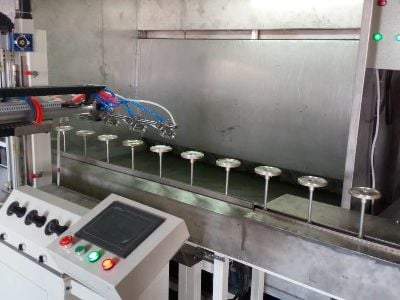
A line spraying system for industrial coating is a sophisticated piece of equipment designed for the efficient application of coatings, paints, and finishes across various surfaces in a manufacturing environment. However, like any complex machinery, these systems can face common problems that may hinder performance and lead to costly downtime. This article explores the typical issues associated with line spraying systems, along with essential maintenance tips to ensure optimal operation. By understanding these factors, purchasing managers and engineering teams can make informed decisions when selecting and maintaining their industrial coating solutions
Key Technical Specifications for Line Spraying Systems
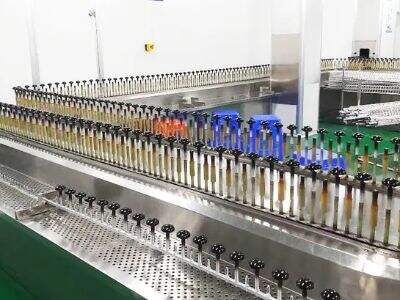
When evaluating Paint line spraying systems, it is crucial to consider several key technical specifications that impact performance and suitability for specific applications. These include
Spray Pattern and Coverage: The ability to achieve a uniform spray pattern is essential for quality coatings. Systems vary in their spray mechanism, such as airless or air-assisted technologies, which can affect the finish and application speed
Material Compatibility: Different coatings require specific systems. Ensure the line spraying system is compatible with the materials to be used, including solvent-based, water-based, and UV-curable coatings. Incompatibility can lead to equipment damage or subpar finishes
Flow Rate and Viscosity Range: The flow rate determines how much material can be applied in a given time, affecting productivity. It's vital to choose a system that can handle the viscosity of the coatings, as too thick a material may clog the spray nozzles
Pressure Settings: The capability of the system to maintain consistent pressure is crucial for uniform application. Variations can lead to uneven coating thickness and finish defects
Automation Features: Automated systems may offer greater precision and efficiency. Features like programmable controls, feedback loops, and real-time monitoring can enhance performance and reduce operator error
These specifications should be carefully reviewed to ensure that the chosen line spraying system aligns with production goals and coating requirements
]
Wholesale Purchasing Tips for Line Spraying Equipment
Purchasing line spraying equipment wholesale involves strategic planning and negotiation. Here are some tips to help you make the right choices
Request Detailed Quotations: When reaching out to suppliers, provide detailed specifications regarding your needs, including the type of coatings, desired output, and any customization requirements. This allows manufacturers to give accurate quotes
Evaluate Minimum Order Quantities (MOQs): Understand the MOQ policies of potential suppliers. Some manufacturers might have high MOQs, which could be a barrier for smaller operations. Consider negotiating lower MOQs or seeking suppliers who cater to smaller orders
Inspect Product Samples: Before committing to a large order, request samples to evaluate the equipment's performance. Testing a sample under actual operating conditions helps confirm compatibility with your production processes
Check Warranty and Service Agreements: Understand the warranty terms and after-sales service options. A reliable support system can save costs in repair and maintenance over time
Consider Customization Options: If your application requires specific configurations, discuss customization capabilities with suppliers. Many manufacturers, including Shenzhen Xinqinfeng Industrial Equipment Co., Ltd., offer tailored solutions to meet unique operational needs
By focusing on these aspects, you can secure favorable terms and ensure that the equipment meets your operational standards
Understanding Cost Factors for Line Spraying Equipment
The cost of Paint line sprayer equipment can vary significantly based on multiple factors. Key considerations include
Equipment Type: The choice between manual, automatic, or robotic systems will impact the overall cost. Automated systems generally require a larger initial investment but can offer long-term savings through increased efficiency
Material Specifications: Higher-quality materials used in the construction of the equipment can increase costs but also enhance durability and reduce maintenance needs. Assessing the trade-off between upfront costs and long-term performance is vital
Customization Needs: Customized solutions tailored to specific applications typically come at a premium. However, they can provide significant benefits in terms of efficiency and output quality
Installation and Training Costs: Consider the additional expenses associated with installation and operator training. Some suppliers may include these services in their quotes, while others may charge separately
Operational Costs: Evaluate the ongoing costs associated with running the equipment, such as energy consumption, maintenance supplies, and potential downtime costs due to equipment failure
By understanding these factors, purchasing managers can develop a comprehensive budget that accounts for both initial investments and long-term operational expenses
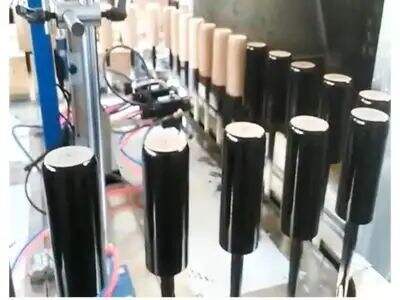
Evaluating Line Spraying System Manufacturers
Selecting the right manufacturer for line spraying systems is crucial for ensuring quality and reliability. Here are some guidelines to evaluate potential suppliers
Industry Experience: Look for manufacturers with a proven track record in the industrial coating equipment sector. Experience often correlates with expertise in addressing common challenges and providing effective solutions
Quality Control Processes: Inquire about the manufacturer's quality assurance protocols. A robust quality control system ensures that the equipment meets industry standards and reduces the likelihood of defects
Customer References and Case Studies: Request references from other customers and review case studies that demonstrate the manufacturer’s capability in delivering successful solutions. This can provide insights into their reliability and customer service
Post-Sale Support: Evaluate the level of support offered after the sale, including maintenance services, spare parts availability, and technical assistance. A responsive support team can significantly enhance operational uptime
Export Capabilities: If your operations are global, ensure that the manufacturer has experience with international shipping and compliance with relevant regulations in your market
By conducting thorough evaluations, you can identify a manufacturer that aligns with your operational needs and quality expectations
Best Practices for Maintaining Line Spraying Systems Effectively
Regular maintenance of line spraying systems is essential to ensure their longevity and optimal performance. Here are best practices to follow
Routine Cleaning: Regularly clean the system to prevent material buildup that can clog nozzles and hinder performance. Follow the manufacturer's guidelines for cleaning procedures to avoid damaging components
Component Inspections: Conduct periodic inspections of critical components, such as pumps, hoses, and spray nozzles. Early identification of wear and tear can prevent costly breakdowns and ensure consistent operation
Calibration Checks: Regularly check and calibrate the system to maintain proper pressure and flow rates. Inaccurate settings can lead to inconsistent coating applications and increased material waste
Training for Operators: Ensure that operators are adequately trained in the system's operation and maintenance procedures. Knowledgeable staff can identify issues early and maintain equipment more effectively
Document Maintenance Activities: Keep detailed records of maintenance activities and inspections. Documenting these actions can help identify patterns of wear and inform future maintenance schedules
By implementing these best practices, companies can minimize downtime, extend the lifespan of their Painting machine spray line systems, and ensure high-quality coating applications