
 EN
 AR
 BG
 CS
 DA
 NL
 FI
 FR
 DE
 EL
 HI
 IT
 JA
 KO
 PL
 PT
 RO
 RU
 ES
 SV
 TL
 IW
 ID
 LV
 LT
 SR
 SK
 SL
 UK
 VI
 SQ
 HU
 TH
 TR
 MS
 HY
 BN
 LA
 MY
 UZ

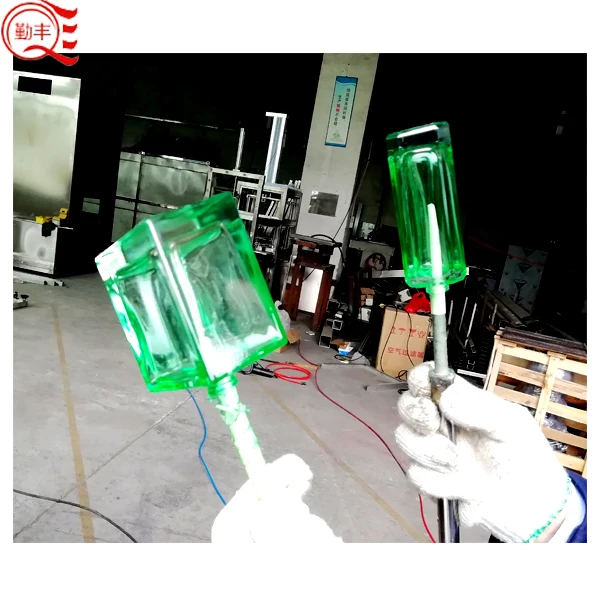
When considering a glass bottle spray painting machine, choosing between rotary and linear systems is crucial for optimizing production efficiency and coating quality. This article provides a detailed comparison of rotary vs linear glass bottle spray painting machines, addressing key buyer concerns such as specifications, applications, common issues, and bulk ordering considerations. By the end, readers will gain valuable insights to help them make informed purchasing decisions that align with their operational needs.
What to Consider When Choosing Rotary vs Linear Glass Bottle Machines
When deciding between rotary and linear glass bottle spray painting machine, buyers should assess several critical factors:
Production Volume: Rotary machines are often preferred for high-volume operations due to their continuous operation capability, allowing for faster throughput. In contrast, linear machines may suit smaller batches where flexibility is prioritized.
Space Considerations: Rotary systems typically require more floor space due to their circular design, while linear machines can be more compact, making them suitable for facilities with limited space.
Application Type: The choice may also depend on the type of coating required. Rotary machines provide uniform coverage around the full circumference of the bottle, which is advantageous for certain coatings. Linear machines, however, may offer more versatility for varied bottle shapes.
Cost Implications: Initial investment and operational costs differ between the two systems. Rotary machines might have a higher upfront cost but can result in lower per-unit costs over time due to their efficiency.
Customization Needs: Depending on product variation, buyers should consider customization options. Some manufacturers offer tailored solutions that meet specific operational requirements, whether rotary or linear.
Understanding these factors will help buyers align their machine choice with their production goals and facility capabilities.
Comparing Specifications of Rotary and Linear Spray Painting Machines
When comparing rotary and linear glass bottle spray painting machines, several specifications are essential to evaluate:
Spray Patterns: Rotary machines often employ a 360-degree spray pattern, ensuring even coverage. Linear systems may need adjustable spray heads to achieve similar results, especially for irregularly shaped bottles.
Speed and Efficiency: Rotary machines typically operate at higher speeds, allowing for quicker processing of bottles. Linear machines might have slower cycle times, which can affect overall productivity based on the production volume.
Material Compatibility: Both systems need to handle a range of paint materials, including solvent-based and water-based options. Buyers should verify the machine's compatibility with their specific coatings to ensure optimal performance.
Maintenance Requirements: Rotary machines may require more complex maintenance due to their moving parts and intricate mechanisms, while linear machines may be easier to maintain thanks to their simpler design.
Automation Features: Automation capabilities, such as integrated curing systems and robotic handling, can enhance efficiency. Buyers should assess the level of automation required for their operations.
Understanding these specifications enables buyers to make informed decisions based on their operational needs and product requirements.
Applications for Rotary and Linear Glass Bottle Spray Painting Machines
Both rotary and linear full spray paint line have distinct applications depending on production goals:
Rotary Machines: Ideal for high-volume production of standard glass bottles, rotary systems excel in industries such as beverage, cosmetics, and pharmaceuticals, where speed and uniformity are critical. Their design allows for consistent coverage, making them suitable for products that require a flawless finish.
Linear Machines: More versatile, linear machines can accommodate varying bottle shapes and sizes, making them suitable for niche markets or customized products. Industries such as artisanal beverages and specialty cosmetics often benefit from the flexibility linear machines provide, allowing for small batch runs with quick changeovers.
By evaluating specific applications, buyers can choose a machine that aligns with their product focus and market demands.
Common Problems with Rotary and Linear Glass Bottle Spray Systems
Buyers should be aware of common issues that can arise with both rotary and linear glass bottle spray systems:
Overspray and Waste: Both systems can experience overspray, leading to material waste. Implementing proper spray techniques and adjustments can mitigate this issue.
Inconsistent Coating: Rotary machines might face challenges with non-uniform coating on irregularly shaped bottles, while linear machines can struggle with speed during intricate designs. Regular maintenance and calibration are essential to ensure consistent output.
Downtime: Both systems may encounter downtime due to maintenance or repairs. Buyers should consider the reliability of the machine and the manufacturer's support for minimizing operational interruptions.
Material Compatibility Issues: Using the wrong type of paint or solvent can result in adhesion problems or finish defects. Buyers must confirm that the chosen machine is compatible with their specific coating materials.
Operator Training: Proper training is vital to avoid common operational errors that can affect product quality. Ensuring operators are well-versed in machine settings and maintenance procedures can significantly reduce issues.
Awareness of these common problems will help buyers implement preventive measures and choose a machine that minimizes operational risks.
Bulk Order Considerations for Rotary and Linear Spray Painting Solutions
When planning for bulk orders of rotary or linear automatic spray painting machine, buyers should consider the following:
Minimum Order Quantities (MOQ): Different manufacturers may have varying MOQs, which can affect budget planning. Buyers should clarify these requirements early in the discussion.
Lead Times: Production lead times can vary based on the complexity of the machine and customization requirements. It is crucial to confirm these timelines to align with production schedules.
Customization Options: Bulk orders often allow for customization. Buyers should provide detailed specifications regarding their coating needs, bottle types, and operational requirements to ensure the machines meet their expectations.
Quality Assurance: Before placing bulk orders, buyers should inquire about quality control processes and inspection steps to ensure each machine meets the necessary standards. Requesting samples or trial runs can also be beneficial.
Post-Purchase Support: Understanding the support and maintenance services offered post-purchase is essential. Buyers should ensure that the manufacturer provides adequate training and technical support to facilitate smooth operations.
Taking these factors into account will enable buyers to make informed decisions about their bulk orders, ensuring they receive machines that meet their production needs effectively.
Table of Contents
- What to Consider When Choosing Rotary vs Linear Glass Bottle Machines
- Comparing Specifications of Rotary and Linear Spray Painting Machines
- Applications for Rotary and Linear Glass Bottle Spray Painting Machines
- Common Problems with Rotary and Linear Glass Bottle Spray Systems
- Bulk Order Considerations for Rotary and Linear Spray Painting Solutions