
 EN
 AR
 BG
 CS
 DA
 NL
 FI
 FR
 DE
 EL
 HI
 IT
 JA
 KO
 PL
 PT
 RO
 RU
 ES
 SV
 TL
 IW
 ID
 LV
 LT
 SR
 SK
 SL
 UK
 VI
 SQ
 HU
 TH
 TR
 MS
 HY
 BN
 LA
 MY
 UZ

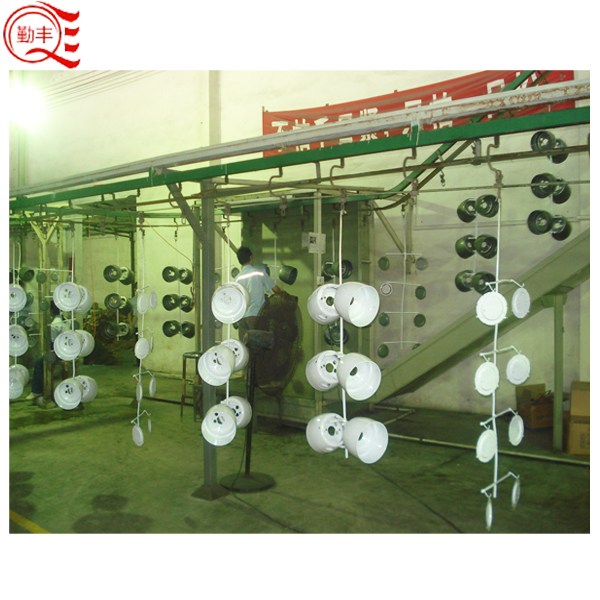
Powder coating has emerged as a preferred surface treatment for brake pads due to its durability, performance, and environmental benefits. We will explore "Why Powder Coating Is Preferred for Brake Pads: Powder Coating Line Guide." It is essential for purchasing managers, engineers, and product managers to understand the advantages of powder-coated brake pads, alongside critical considerations for sourcing and evaluating suppliers. This guide aims to equip you with practical insights to make informed purchasing decisions.
What Are the Key Benefits of Powder Coating for Brake Pads?
Powder coating offers several key benefits for brake pads, making it a preferred choice in the automotive industry. One of the primary advantages is its superior durability compared to traditional liquid coatings. Powder coatings create a thicker, more resilient layer that can withstand high temperatures and mechanical stresses, which is crucial for brake pads that experience significant wear and tear during operation.
Additionally, powder coating solution is more environmentally friendly, as it contains no volatile organic compounds (VOCs). This not only helps manufacturers meet regulatory compliance but also contributes to a cleaner production environment. The process also allows for a uniform finish, which enhances the aesthetic appeal of the brake pads.
Moreover, powder-coated brake pads can demonstrate improved corrosion resistance, essential for longevity, especially in harsh operating conditions. The excellent adhesion properties of powder coatings ensure that the surface remains intact over time, reducing the likelihood of peeling or flaking.
How to Choose the Right Powder Coating Supplier for Brake Pads
Choosing the right powder coating supplier for brake pads involves several critical factors. First, assess the supplier's experience and expertise in the automotive sector. Look for manufacturers, like Shenzhen Xinqinfeng Industrial Equipment Co., Ltd., that have a proven track record of providing high-quality industrial coating equipment tailored to the needs of the automotive industry.
Next, evaluate the supplier's manufacturing capabilities. Verify whether they offer both manual and automatic options for powder coating, as this flexibility can cater to various production volumes and customization needs. Ensure they have robust quality control processes in place to maintain consistent product standards.
Additionally, discuss the types of powder coatings they provide. Different formulations can have varying properties, such as heat resistance, chemical resistance, and color options. A knowledgeable supplier will help you choose the right powder coating that meets the specific performance requirements of your brake pads.
Lastly, consider the supplier's delivery capabilities and lead times. Reliable suppliers should be able to accommodate urgent requests and provide clear timelines for production and shipping.
Specifications to Consider When Sourcing Powder Coated Brake Pads
When sourcing powder-coated brake pads, several specifications must be evaluated to ensure the product meets your application needs. Key factors include the thickness of the automatic powder coating line, which typically ranges from 50 to 150 microns. A thicker coating can offer enhanced durability and protection against wear, but it may also affect the fitment of the brake pads.
The type of powder material is another critical specification. Common options include epoxy, polyester, and hybrid formulations, each offering different performance characteristics. For example, epoxy powder coatings are known for their excellent adhesion and chemical resistance, making them suitable for various automotive applications.
Also, consider the curing temperature of the powder coating process. The curing process is essential, as it affects the final properties of the coating. Typically, coatings are cured at temperatures between 160°C and 200°C, and the specific temperature chosen should align with the brake pad materials to avoid any degradation.
Finally, verify the compliance of the powder coating with industry standards and certifications, such as ISO or automotive-specific quality standards. This ensures that the brake pads meet safety and performance requirements.
Evaluating the Quality of Powder Coated Brake Pads for Bulk Orders
Evaluating the quality of powder-coated brake pads, especially for bulk orders, requires a systematic approach. One critical step is to request samples before placing a large order. Inspect the samples for uniformity in coating thickness, color consistency, and overall finish quality. Look for any signs of imperfections, such as bubbles, pinholes, or uneven surfaces, which could indicate manufacturing defects.
Additionally, conduct performance tests under actual operating conditions. This might involve assessing the brake pads' performance in terms of heat dissipation, noise reduction, and wear rates. It's essential to confirm that the powder coating does not compromise the brake pads' functionality.
Quality control should also extend to the supplier's production processes. Inquire about their quality assurance protocols, including inspections at various stages of production. Reliable suppliers should be transparent about their testing processes and willing to provide documentation demonstrating compliance with industry standards.
Common Installation Issues with Powder Coated Brake Pads and Solutions
While powder-coated brake pads offer numerous advantages, common installation issues can arise if proper precautions are not taken. One potential problem is the fitment of the brake pads. The added thickness of the powder coating can affect the dimensions of the pads, leading to difficulties during installation. To mitigate this, always verify the dimensions of the brake pads after coating and ensure they meet OEM specifications.
Another issue can occur if the powder coating systems is not cured correctly. Improper curing can lead to a weak bond between the coating and the substrate, resulting in peeling or chipping during installation. To avoid this, confirm that the supplier follows the recommended curing processes and temperatures.
Lastly, during installation, ensure that the brake pads are clean and free from contaminants. Any dirt or grease on the surface can interfere with the adhesion of the coating and impact performance. Cleaning solutions or wipes specifically designed for brake components can help maintain a clean installation environment.
Understanding the key benefits of powder coating for brake pads, along with the considerations for choosing a supplier and evaluating product quality, is essential for making informed decisions in the automotive sector. By addressing common issues and focusing on specifications, purchasing managers and engineers can ensure they procure high-quality powder-coated brake pads that meet their operational needs.
Table of Contents
- What Are the Key Benefits of Powder Coating for Brake Pads?
- How to Choose the Right Powder Coating Supplier for Brake Pads
- Specifications to Consider When Sourcing Powder Coated Brake Pads
- Evaluating the Quality of Powder Coated Brake Pads for Bulk Orders
- Common Installation Issues with Powder Coated Brake Pads and Solutions