
 EN
EN
 AR
AR
 BG
BG
 CS
CS
 DA
DA
 NL
NL
 FI
FI
 FR
FR
 DE
DE
 EL
EL
 HI
HI
 IT
IT
 JA
JA
 KO
KO
 PL
PL
 PT
PT
 RO
RO
 RU
RU
 ES
ES
 SV
SV
 TL
TL
 IW
IW
 ID
ID
 LV
LV
 LT
LT
 SR
SR
 SK
SK
 SL
SL
 UK
UK
 VI
VI
 SQ
SQ
 HU
HU
 TH
TH
 TR
TR
 MS
MS
 HY
HY
 BN
BN
 LA
LA
 MY
MY
 UZ
UZ

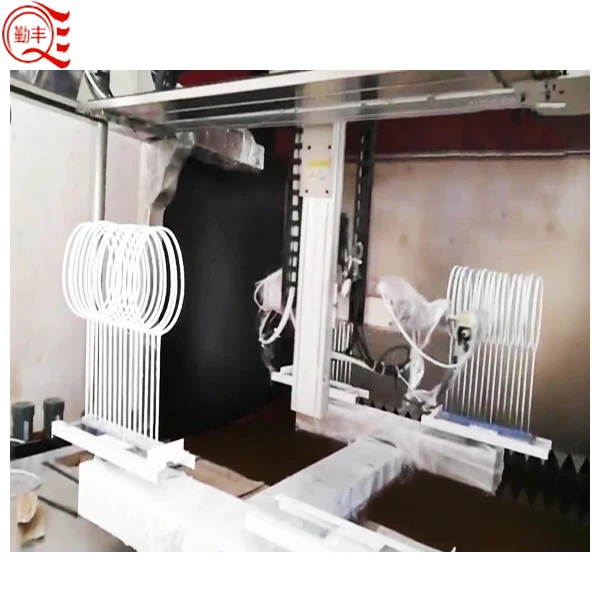
Plastic coating spray machines are essential tools in industrial manufacturing, designed to enhance the surface finish of plastic parts through a precise coating application. For B2B buyers, understanding how to evaluate these machines is crucial, as they impact product quality, production efficiency, and overall operational costs. This guide will address key specifications, quality control measures, installation challenges, applications across various industries, and common problems associated with plastic coating spray machines.
Key Specifications to Evaluate in Plastic Coating Spray Machines
When selecting a plastic coating spray machine, buyers should focus on several critical specifications:
Coating Thickness: This parameter affects the durability and appearance of the finish. Buyers must consider the required thickness based on end-use applications thicker coatings may provide better protection but could impact flexibility.
Spray Pattern and Nozzle Design: The machine's nozzle design and spray pattern influence the uniformity of the coating. A well-designed nozzle can minimize overspray and ensure even application, which is particularly vital for intricate parts.
Material Compatibility: The machine should be compatible with the specific coating materials intended for use, such as polyurethane, epoxy, or acrylic. Different materials require varying application techniques and equipment settings.
Production Capacity: Understanding the machine's throughput capabilities is essential for meeting production deadlines. Buyers should assess how the machine fits within their production schedules and whether it can handle peak demands.
Automation Features: Automated systems can significantly reduce labor costs and improve consistency. Buyers should evaluate the level of automation available, including features such as programmable settings and integration with existing manufacturing systems.
By considering these specifications, buyers can ensure that the machine chosen aligns with their production needs and quality expectations.
Quality Control Measures for Plastic Coating Equipment Manufacturing
Quality control is paramount in the manufacturing of plastic coating spray machines. Buyers should look for the following practices:
Material Sourcing: Reputable manufacturers source high-quality materials to ensure durability and performance. Buyers should inquire about the suppliers used for critical components like pumps, nozzles, and control systems.
Testing Protocols: A rigorous testing regime, including performance testing and quality assurance checks, should be in place. This might include testing the machine under actual operating conditions to verify its reliability and efficiency.
Certifications: Manufacturers should hold relevant certifications, such as ISO 9001, which indicates adherence to international quality management standards. This provides added assurance of the product's reliability.
After-Sales Support: Quality control extends beyond manufacturing into after-sales service. Buyers should evaluate the availability of technical support, warranty conditions, and spare parts accessibility, which are vital for maintaining machine performance.
Implementing these quality control measures helps ensure that the plastic coating spray machine consistently meets performance standards and buyer expectations.
Common Installation Challenges for Plastic Coating Spray Machines
Installing plastic coating sprayer machines can present various challenges. Here are some common issues and how to address them:
Space Constraints: Often, the layout of a manufacturing facility may not accommodate the dimensions of the new equipment. Buyers should carefully assess the intended installation area and consider any necessary modifications to the facility.
Connection to Existing Systems: Integrating a new spray machine with existing production lines or automation systems can be complex. Collaborating with the manufacturer during the design phase can help ensure compatibility and streamline the installation process.
Calibration Requirements: Proper setup and calibration are crucial for optimal machine performance. Buyers should ensure that trained personnel are available for installation and that the manufacturer provides clear instructions for setup.
Utility Connections: The machine may require specific utilities such as compressed air, electricity, or water. Ensuring that these connections are readily available and meet the machine's specifications is essential to avoid delays.
By anticipating these challenges, buyers can facilitate smoother installations and reduce downtime.
Applications of Plastic Coating Spray Machines in Various Industries
Plastic coating spray machines find applications across multiple industries, each with unique requirements:
Automotive: In the automotive industry, these machines are used for coating plastic components, such as dashboards and trims, to enhance aesthetics and durability against environmental factors.
Electronics: Companies like Foxconn and Epson utilize plastic coating machines to apply protective coatings on electronic housings, ensuring both functionality and visual appeal.
Consumer Goods: From toys to household appliances, plastic coating machines enhance the appearance and protect the surfaces of consumer products, making them more appealing to end-users.
Medical Devices: In the medical industry, coating machines are used to ensure that plastic parts meet stringent regulatory standards while providing necessary surface protection.
Understanding the specific applications can help buyers select machines tailored to their industry needs, ensuring optimal performance and compliance.
Solutions to Common Problems with Plastic Coating Spray Machines
While plastic coating spray machines are efficient, users may encounter common issues. Here are some solutions:
Inconsistent Coating: Variability in coating thickness can stem from incorrect nozzle settings or material viscosity. Regular maintenance and calibration, along with proper operator training, can mitigate this.
Clogged Nozzles: Clogs can disrupt production and lead to defects. Implementing a routine cleaning schedule and using high-quality materials can reduce the incidence of clogs.
Surface Defects: Problems like bubbles or uneven finishes may arise from environmental conditions such as temperature and humidity during application. Monitoring these conditions and adjusting the process accordingly is crucial for maintaining quality.
Maintenance Issues: Regular maintenance is key to prolonging machine life. Buyers should establish a maintenance schedule that includes inspections, cleaning, and part replacements based on usage and operational demands.
By being aware of these common issues and their solutions, buyers can ensure the longevity and productivity of their plastic coating spray machines, ultimately leading to higher quality output and reduced operational costs.
Understanding the specifications, quality control measures, installation challenges, industry applications, and common problems associated with plastic powder coating spray booth equips B2B buyers with the knowledge needed to make informed purchasing decisions. This guide serves as a comprehensive resource for enhancing operational efficiency and product quality in various manufacturing settings.
Table of Contents
- Key Specifications to Evaluate in Plastic Coating Spray Machines
- Quality Control Measures for Plastic Coating Equipment Manufacturing
- Common Installation Challenges for Plastic Coating Spray Machines
- Applications of Plastic Coating Spray Machines in Various Industries
- Solutions to Common Problems with Plastic Coating Spray Machines