
 EN
EN
 AR
AR
 BG
BG
 CS
CS
 DA
DA
 NL
NL
 FI
FI
 FR
FR
 DE
DE
 EL
EL
 HI
HI
 IT
IT
 JA
JA
 KO
KO
 PL
PL
 PT
PT
 RO
RO
 RU
RU
 ES
ES
 SV
SV
 TL
TL
 IW
IW
 ID
ID
 LV
LV
 LT
LT
 SR
SR
 SK
SK
 SL
SL
 UK
UK
 VI
VI
 SQ
SQ
 HU
HU
 TH
TH
 TR
TR
 MS
MS
 HY
HY
 BN
BN
 LA
LA
 MY
MY
 UZ
UZ

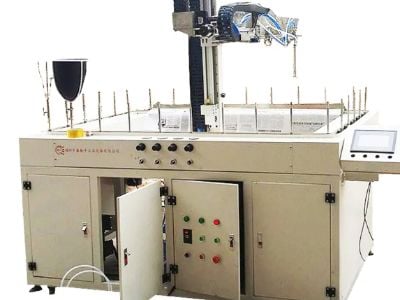
A reciprocating spray system for laptop shell coating is an advanced solution designed to provide precision coating for electronics. These systems are crucial for ensuring high-quality finishes that meet the stringent standards of the electronics industry. B2B buyers, such as purchasing managers and product managers, often have concerns around quality, efficiency, and compatibility with existing manufacturing processes. This article will guide you through the key considerations when selecting a reciprocating spray system, helping you make informed purchasing decisions.
What to Consider When Choosing a Reciprocating Spray System for Coating
When selecting a reciprocating spray system, several factors require careful consideration to ensure optimal performance and compatibility with your manufacturing needs.
Spray Pattern and Coverage: The design of the spray nozzle impacts the uniformity and consistency of the coating. Different nozzle types may be better suited for varying surface geometries commonly found in laptop shells.
Material Compatibility: Ensure the system is compatible with the coating materials you intend to use, such as water-based or solvent-based paints. Each material has different viscosity and adhesion properties, which can affect the system's performance.
Automation vs. Manual Operation: Evaluate whether a manual or automatic spray painting machines system is more suitable for your production line. Automatic systems often provide greater efficiency and consistency, while manual systems may allow for more flexibility in applications.
Production Capacity: Assess your production volume requirements. Systems are available with varying throughput capabilities, and selecting one that aligns with your production needs can prevent bottlenecks.
Customization Options: Manufacturers like Shenzhen Xinqinfeng Industrial Equipment Co., Ltd. offer tailored solutions to meet specific operational requirements. Customization can include nozzle design, spray width, and control systems to enhance performance.
Maintenance and Support: Consider the ease of maintenance and the availability of technical support. A system that is difficult to maintain may lead to increased downtime and operational interruptions.
A Buyer’s Guide
When preparing to purchase a reciprocating spray system, it's vital to gather relevant information and specifications to streamline the quoting process. Here’s a checklist to guide you:
Define Your Requirements: Outline your specific coating needs, including material types, desired finish quality, and production speed.
Request for Quotation (RFQ): Include detailed specifications in your RFQ, such as model type, dimensions, and any customization requirements.
Evaluate Supplier Experience: Consider the supplier's experience in the industry, particularly with similar applications. A supplier with a proven track record can offer valuable insights and recommendations.
Quality Control Standards: Inquire about the supplier's quality assurance processes and certifications. Understanding their quality control measures can help ensure the consistency and reliability of the systems.
Lead Time and Logistics: Discuss lead time expectations and shipping logistics. Knowing how quickly a system can be delivered and installed is vital for planning production schedules.
How to Evaluate the Quality of Reciprocating Spray Coating Equipment
Evaluating the quality of reciprocating spray coating equipment involves several key considerations:
Build Quality: Inspect the construction materials and overall build quality of the system. Durable materials can withstand the rigors of industrial use and provide long-term reliability.
Performance Metrics: Request performance data regarding spray patterns, transfer efficiency, and coating thickness consistency. This information can provide insight into how the system will perform under your specific conditions.
User Reviews and Case Studies: Reach out to existing users or study case studies related to similar applications. Insights from current users can highlight strengths and potential issues that may not be apparent from specifications alone.
Testing and Sampling: Before finalizing your decision, consider conducting tests or requesting samples to evaluate the system's performance with your specific materials and applications.
Warranty and Support Terms: Review the warranty terms provided by the manufacturer. A strong warranty can indicate the manufacturer's confidence in their product quality.
Installation Guidance for Reciprocating Spray Systems in Electronics
Proper installation of a reciprocating spray system is critical to ensuring optimal performance and longevity. Here are some key steps to follow:
Site Preparation: Ensure the installation area is suitable, with adequate space, ventilation, and access to utilities. Proper environmental conditions can significantly influence coating quality.
Calibration and Setup: Follow the manufacturer’s guidelines for calibrating the system settings. This includes adjusting spray pressure, nozzle height, and travel speed to match the coating requirements.
Training for Operators: Provide comprehensive training for operators to familiarize them with the system's controls and maintenance requirements. Well-trained staff can help minimize errors and enhance productivity.
Testing and Validation: After installation, conduct a series of tests to validate the system's performance. Monitor for consistency in spray patterns and coating thickness to ensure it meets your quality standards.
Documentation: Maintain detailed records of the installation process and any adjustments made. This documentation can be invaluable for troubleshooting and future maintenance.
Applications of Reciprocating Spray Systems in Electronics Manufacturing
Reciprocating full spray paint line systems are widely used in electronics manufacturing for several applications:
Coating Laptop Shells: These systems provide a uniform finish on laptop exteriors, enhancing aesthetics and protecting against wear and tear.
Protective Coatings: They are ideal for applying protective coatings that shield electronic components from moisture, dust, and other environmental factors, extending product lifespan.
Surface Finishing: The precision of reciprocating spray systems allows for intricate surface finishing, which is essential for modern electronics that require both functionality and visual appeal.
Custom Applications: Many manufacturers offer customization options to cater to specific application needs, making these systems versatile for various electronics components beyond laptop shells.
Quality Assurance: The consistent application of coatings helps maintain high quality across production runs, which is essential for meeting industry standards and consumer expectations.
Selecting the right reciprocating spray system for laptop shell coating requires a comprehensive understanding of your application needs, quality standards, and supplier capabilities. By following the outlined considerations and guidelines, you can make informed purchasing decisions that enhance your production processes and product quality.