
 EN
EN
 AR
AR
 BG
BG
 CS
CS
 DA
DA
 NL
NL
 FI
FI
 FR
FR
 DE
DE
 EL
EL
 HI
HI
 IT
IT
 JA
JA
 KO
KO
 PL
PL
 PT
PT
 RO
RO
 RU
RU
 ES
ES
 SV
SV
 TL
TL
 IW
IW
 ID
ID
 LV
LV
 LT
LT
 SR
SR
 SK
SK
 SL
SL
 UK
UK
 VI
VI
 SQ
SQ
 HU
HU
 TH
TH
 TR
TR
 MS
MS
 HY
HY
 BN
BN
 LA
LA
 MY
MY
 UZ
UZ

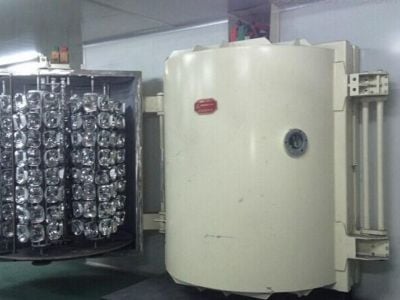
Industrial painting machines are essential tools for achieving high-quality finishes in manufacturing and industrial applications. These machines come in various forms, including manual and automatic options, and are designed to meet the specific needs of different production environments. Buyers often face concerns regarding machine specifications, reliability, and the overall effectiveness of the painting process in their operations. This article serves as a comprehensive guide, addressing key considerations when selecting an industrial painting machine, comparing specifications, sourcing reliable suppliers, and troubleshooting common issues.
What to Consider When Choosing an Industrial Painting Machine?
Selecting the right industrial painting machine involves multiple factors that can significantly influence the efficiency and quality of your production process. Key considerations include:
Application Requirements: Different industries have unique painting needs whether it’s automotive, electronics, or furniture. Understanding the specific coating requirements, such as the type of paint and finish, is crucial. For example, UV or IR curing systems may be necessary for certain applications to ensure quick drying and durability.
Machine Type: Decide between manual and automatic machines based on your production scale. Manual Painting equipment offer flexibility for smaller runs, while automatic systems are ideal for larger volumes, providing consistency and efficiency.
Customization Capabilities: Since many manufacturers have unique requirements, consider whether the supplier can offer customized solutions. For instance, Shenzhen Xinqinfeng Industrial Equipment Co., Ltd. specializes in non-standard solutions tailored to specific operational needs.
Budget Constraints: Understand the total cost of ownership, which includes not just the initial purchase price but also maintenance, operation costs, and potential downtime during repairs. Evaluate the long-term value and ROI of the machine.
Quality Control Processes: Ensure the machine has integrated quality control features to monitor the painting process in real-time, reducing waste and improving overall product quality.
How to Compare Paint Machine Specifications for Your Factory Needs?
When evaluating paint machines, it's essential to compare their specifications to ensure they align with your operational needs. Key specifications to consider include:
Production Capacity: Determine the machine’s output capacity, which should match your production volume. This includes assessing the speed of the painting process and the size of the items being painted.
Compatibility with Paint Types: Not all machines work with every type of paint. Verify that the machine is compatible with the specific paints you plan to use, including solvent-based, water-based, and specialty coatings.
Environmental Considerations: Investigate whether the machine meets environmental regulations and standards. This includes emissions management and the ability to handle waste materials effectively.
Technical Parameters: Look into the machine's technical specifications such as spray pattern, nozzle size, and air pressure requirements. These factors influence the quality and application of the paint.
Ease of Maintenance: Assess how easy it is to maintain the machine. Features that allow for quick cleaning and parts replacement can significantly reduce downtime.
By systematically comparing these specifications, you can ensure that the selected Machine painting meets your factory's specific requirements and enhances overall productivity.
Where to Find Reliable Suppliers for Industrial Coating Equipment?
Finding a trustworthy supplier is critical for successful procurement of industrial painting machines. Here are some strategies:
Industry Trade Shows: Attend relevant trade shows and exhibitions where manufacturers showcase their products. This provides an opportunity to see machines in action and discuss capabilities directly with suppliers.
Online Marketplaces and Directories: Utilize B2B platforms to find suppliers with strong ratings and reviews. This can help you gauge their reliability and industry presence.
Referrals and Recommendations: Seek recommendations from industry peers or professional networks. First-hand referrals can lead you to reputable suppliers known for their quality and service.
Supplier Certifications: Check for certifications and quality management systems, such as ISO 9001. These certifications can indicate a supplier's commitment to quality and reliability.
Post-Sale Support: Evaluate the supplier’s customer service and post-sale support. A reliable supplier should provide training, installation assistance, and readily available spare parts.
Taking the time to research potential suppliers can save you from costly mistakes and ensure a smoother procurement process.
Sourcing Industrial Painting Machines Wisely
Sourcing industrial painting machines requires strategic planning to ensure you receive the best value. Here are several tips:
Request Multiple Quotes: Don’t settle for the first quote. Request quotes from several suppliers to compare pricing, features, and warranty options. This will help you identify the most competitive offers.
Clarify Customization Options: If your production needs are unique, clarify what customization options are available. Ensure that the supplier can adapt the machine to fit your specific requirements.
Understand Lead Times: Ask about lead times for order fulfillment and delivery. Longer lead times may not be acceptable depending on your production schedule.
Negotiate Terms: Don’t hesitate to negotiate payment terms, warranties, and service agreements. Flexibility in these areas can provide significant advantages in terms of budget and operational continuity.
Evaluate Sample Performance: Before finalizing your order, request a sample or demonstration of the machine. Testing the equipment in real-world conditions helps verify its suitability for your needs.
By following these sourcing strategies, you can make informed purchasing decisions that align with your operational goals.
Common Problems with Paint Machines and Effective Solutions
Even the best industrial painting machines can encounter issues. Understanding common problems and their solutions can help minimize downtime:
Clogged Nozzles: A frequent issue, clogged nozzles can disrupt the painting process. Regular maintenance, including thorough cleaning after each use and using appropriate paint viscosity, can mitigate this issue.
Inconsistent Spray Patterns: Inconsistent application can lead to quality issues. Ensure that the machine is calibrated correctly, and consider adjusting air pressure and paint flow rates to achieve uniform coverage.
Paint Drying Issues: If paint does not dry properly, it can lead to defects in the finish. Implementing proper curing systems, such as UV/IR curing, can enhance drying efficiency and improve paint adhesion.
Mechanical Failures: Regular checks and maintenance can prevent mechanical failures. Create a maintenance schedule that includes routine inspections of moving parts and electrical systems.
Environmental Factors: Changes in humidity and temperature can affect paint application. Ensure your production environment is controlled to minimize these influences.
By being proactive and knowledgeable about potential problems, you can implement effective solutions that enhance machine performance and product quality.
By understanding the intricacies involved in selecting and operating industrial painting machines, buyers can make informed decisions that improve production efficiency and product quality. Whether you're exploring specifications, sourcing suppliers, or troubleshooting issues, this guide provides the insights necessary to navigate the complexities of industrial coating equipment effectively.
Table of Contents
- What to Consider When Choosing an Industrial Painting Machine?
- How to Compare Paint Machine Specifications for Your Factory Needs?
- Where to Find Reliable Suppliers for Industrial Coating Equipment?
- Sourcing Industrial Painting Machines Wisely
- Common Problems with Paint Machines and Effective Solutions