
 EN
EN
 AR
AR
 BG
BG
 CS
CS
 DA
DA
 NL
NL
 FI
FI
 FR
FR
 DE
DE
 EL
EL
 HI
HI
 IT
IT
 JA
JA
 KO
KO
 PL
PL
 PT
PT
 RO
RO
 RU
RU
 ES
ES
 SV
SV
 TL
TL
 IW
IW
 ID
ID
 LV
LV
 LT
LT
 SR
SR
 SK
SK
 SL
SL
 UK
UK
 VI
VI
 SQ
SQ
 HU
HU
 TH
TH
 TR
TR
 MS
MS
 HY
HY
 BN
BN
 LA
LA
 MY
MY
 UZ
UZ

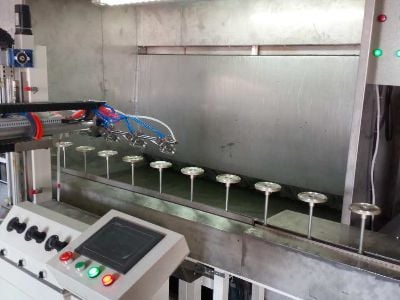
Upgrading to an automatic industrial painting machine can significantly enhance productivity, reduce labor costs, and improve paint quality. For B2B buyers, such as purchasing managers and engineers, understanding the ROI analysis of this investment is crucial. This article will delve into the key specifications to compare in automatic painting equipment, what to look for when selecting these Painting machine manufacturer, a step-by-step approach to the purchasing process, common problems associated with manual painting, and the material advantages offered by automatic painting technology.
Key Specifications to Compare in Automatic Painting Equipment
When evaluating automatic industrial painting machines, focus on several key specifications that directly impact performance and efficiency:
Application Speed: This refers to how quickly the machine can apply paint per unit of time. Faster application speeds can lead to increased production rates, but it’s essential to balance speed with quality.
Precision and Consistency: Look for machines that offer precision in paint application. This is often quantified in terms of spray width and the ability to maintain consistent film thickness. Inconsistent application can lead to defects, which may require rework.
Material Compatibility: Ensure the machine can handle the specific types of paint or coatings you plan to use. Some machines are designed for water-based paints, while others work better with solvent-based options.
Curing Technology: Consider whether the machine includes integrated UV/IR curing systems. These technologies can significantly reduce drying times and allow for faster production cycles.
Automation Features: Advanced features such as robotic arms for full spray painting can enhance efficiency and reduce the need for human intervention, thus minimizing labor costs.
Maintenance Requirements: Evaluate the ease of maintenance. Machines with self-cleaning capabilities or easy access to parts can reduce downtime and maintenance costs.
Understanding these specifications will help buyers make informed decisions that align with their production needs and operational goals.
What to Look for in Painting Machines
When selecting painting machines, several factors should be prioritized to ensure the right fit for your operation:
Customization Capabilities: Look for manufacturers that offer customization options. This can include adapting machine configurations to suit specific production environments or unique product requirements.
Production Capacity: Assess the machine's production capacity in relation to your demand. Ensure it can handle your current production volume and has the potential to scale for future needs.
Quality Control Processes: Investigate the manufacturer's quality control measures. Reliable manufacturers should have testing protocols in place to ensure machines meet performance specifications before they are shipped.
Supplier Reputation: Research the supplier’s track record in the industry, including their experience and client testimonials. A reputable supplier, like Shenzhen Xinqinfeng Industrial Equipment Co., Ltd., known for serving major corporations, can provide assurance of quality and reliability.
Technical Support: Ensure the supplier offers robust technical support post-purchase. This includes installation guidance, maintenance training, and readily available spare parts.
By focusing on these areas, buyers can select machines that not only meet their immediate needs but also contribute to long-term operational efficiency.
A Step-by-Step Approach
Purchasing an automatic industrial painting machine involves several critical steps:
Define Your Requirements: Outline your specific needs, including the types of products being painted, production volume, and desired quality standards.
Research Options: Gather information on various manufacturers and their product offerings. Look for detailed specifications, case studies, and user reviews to evaluate potential machines.
Request Quotations: Prepare an RFQ (Request for Quotation) that includes detailed information about your requirements. This should encompass machine specifications, expected delivery timelines, and any customization needs.
Evaluate Proposals: Once you receive quotations, compare them based on price, features, and the supplier's reputation. Look beyond initial costs to assess long-term value.
Conduct Site Visits or Demos: If possible, visit the manufacturer or request a demonstration of the machine. This allows you to see the equipment in action and ask specific questions about performance.
Negotiate Terms: Once a suitable option is identified, negotiate terms regarding price, warranties, and after-sales support.
Finalize the Purchase: After negotiations, finalize the purchase agreement, ensuring all specifications and commitments are documented.
Following this structured approach can help mitigate risks and lead to a successful investment in automatic painting technology.
Common Problems with Manual Painting and How Automation Solves Them
Manual painting processes often come with numerous challenges that can be alleviated through automation:
Inconsistent Quality: Manual applications are prone to human error, leading to variability in paint thickness and coverage. Automatic Machine glass spray deliver consistent results, ensuring uniformity across all products.
Labor-Intensive: Manual painting requires significant labor resources, which can drive up costs and create scheduling complexities. Automation reduces the dependency on manual labor, allowing companies to allocate resources more effectively.
Longer Production Times: Manual processes are often slower, impacting overall productivity. Automatic equipment can operate continuously and at higher speeds, significantly reducing production times.
Health and Safety Risks: Manual painting exposes workers to hazardous materials and fumes. Automated systems reduce human exposure, enhancing workplace safety.
By addressing these common problems, automatic painting machines can lead to enhanced operational efficiency and improved product quality, demonstrating a strong ROI on the initial investment.
Understanding Material Advantages in Automatic Painting Technology
Choosing the right materials for automatic painting processes is crucial for maximizing efficiency and product quality. Here are some material advantages associated with automatic painting technology:
Enhanced Adhesion: Automatic machines often apply coatings in a controlled manner that enhances adhesion, especially with modern paint formulations. This can lead to longer-lasting finishes and reduced rework rates.
Optimized Material Usage: Automatic systems can minimize overspray and waste, leading to more efficient use of paint materials. This is particularly beneficial in reducing overall material costs and environmental impact.
Compatibility with Advanced Coatings: Many automatic machines are designed to work effectively with advanced coatings, such as UV-cured paints, which offer superior performance characteristics. This compatibility can expand the types of products that manufacturers can offer.
Improved Surface Finish: The precision of automatic machines allows for better surface finishes, reducing the likelihood of defects and improving the aesthetic appeal of the final product.
Customization of Coating Thickness: Automatic painting technology allows for precise control over the thickness of the applied coating, which can be tailored to the specific needs of the product and application.
By understanding these material advantages, buyers can make more informed decisions regarding the types of Automatic paint spraying machine and coatings that best suit their production needs, ultimately leading to improved performance and cost savings.