
 EN
 AR
 BG
 CS
 DA
 NL
 FI
 FR
 DE
 EL
 HI
 IT
 JA
 KO
 PL
 PT
 RO
 RU
 ES
 SV
 TL
 IW
 ID
 LV
 LT
 SR
 SK
 SL
 UK
 VI
 SQ
 HU
 TH
 TR
 MS
 HY
 BN
 LA
 MY
 UZ

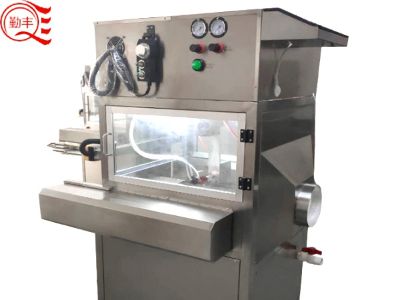
In the manufacturing industry, the glass bottle spray painting machine plays a crucial role in enhancing product aesthetics while ensuring durability. This comprehensive guide on glass bottle spray painting machines is tailored for purchasing managers, engineers, and product managers seeking reliable methods to decorate glass products efficiently. Key concerns like Glass bottle spray painting machine specifications, cost factors, and installation guidance will be addressed, providing valuable insights to help you make informed decisions for your glass decoration lines.
What to Consider When Choosing a Glass Bottle Spray Painting Machine?
When selecting a glass bottle spray painting machine, several factors come into play. First, consider the machine's application compatibility. Different machines are designed for varying bottle shapes and sizes, so it's essential to select one that fits your specific product line.
Next, evaluate the machine's automation level. Automatic machines can significantly enhance production efficiency and consistency, but they come with higher upfront costs. Manual machines, on the other hand, may be more cost-effective for smaller operations but could require more labor and time.
Quality control is another critical aspect. Look for machines that come equipped with advanced quality assurance features, such as real-time monitoring and adjustment capabilities, to ensure that the final product meets your quality standards. Understanding the machine's maintenance requirements and the availability of spare parts is also crucial for long-term operation and cost management.
Key Specifications of Glass Bottle Spray Painting Machines for Buyers
When assessing glass bottle spray painting machines, buyers should focus on several key specifications:
Spray Technology: Different technologies, such as electrostatic or air atomization, can affect the painting process. Electrostatic systems offer better paint transfer efficiency, minimizing waste and ensuring a more even coat.
Production Capacity: Determine the machine's output capability, typically measured in bottles per hour. This figure should align with your production needs to avoid bottlenecks.
Paint Compatibility: Ensure the machine can accommodate the specific types of paint you intend to use, whether solvent-based, water-based, or UV-cured.
Size and Dimensions: The machine's dimensions should fit within your existing production space without compromising workflow.
Control Systems: Advanced machines often feature programmable logic controllers (PLCs) for precise control over spray parameters, enhancing consistency and quality.
Understanding these specifications will help you select a machine that meets your operational needs while ensuring quality in production.
Cost Factors to Consider When Purchasing Glass Bottle Spray Equipment
The total cost of a glass bottle spray painting machine extends beyond the initial purchase price. Key factors include:
Machine Type: Automatic machines generally have a higher upfront cost compared to manual options. However, consider the long-term savings on labor and increased throughput.
Customization Options: Customized Machine glass spray tailored to specific production requirements may come at a premium. Discuss your needs with suppliers to understand the cost implications of customization.
Operational Costs: Evaluate the cost of consumables, including paint and maintenance supplies, as well as the energy consumption of the machine. Automated machines may have higher energy requirements but could offset this through increased efficiency.
Training and Support: Factor in costs associated with training staff to operate and maintain the new equipment. Some suppliers provide training as part of the purchase, while others may charge additional fees.
Warranty and Service Contracts: A robust warranty and service agreement can mitigate future repair costs. Look for suppliers that offer comprehensive support packages.
By considering these factors, you can develop a more accurate budget for your glass bottle spray painting machine investment.
Installation Guidance for Your Glass Bottle Spray Painting Machine
Proper installation of your glass bottle spray painting machine is vital for optimal performance. Here are essential steps to follow:
Site Preparation: Ensure that the installation area is clean, spacious, and equipped with the necessary utilities, including power, air supply, and drainage as required by the machine specifications.
Follow Manufacturer Instructions: Adhere to the installation manual provided by the manufacturer. This document typically outlines the assembly process, required tools, and safety precautions.
Calibration and Testing: After installation, conduct initial calibration according to the manufacturer's guidelines. This step ensures that the machine operates within the specified parameters.
Staff Training: Ensure that operators are trained in the proper use and maintenance of the machine. This training should include safety protocols, troubleshooting procedures, and routine maintenance tasks.
Quality Checks: After installation, perform test runs to evaluate the machine's performance and ensure that it meets production requirements before full-scale operation.
Following these guidelines will help ensure a smooth installation process and optimal machine functionality.
Common Problems with Glass Bottle Spray Painting and Their Solutions
Glass bottle spray painting can present various challenges. Here are some common issues and practical solutions:
Poor Paint Adhesion: If paint fails to adhere properly, it may indicate problems with surface preparation or paint compatibility. Ensure that bottles are thoroughly cleaned and dried before painting. Additionally, verify compatibility between the paint and the Machine glass spray surface to avoid adhesion issues.
Uneven Coating: An uneven finish may result from improper spray technique or equipment malfunction. Regularly inspect and maintain the spray nozzles and adjust the spray pressure to achieve a consistent coating.
Paint Drips or Runs: Excessive paint application can lead to drips and runs. Adjusting the machine settings to reduce the paint flow or speed up the conveyor may help mitigate this issue.
Color Variability: Variations in color can arise from inconsistent paint mixing or environmental factors. Implement standard operating procedures for paint preparation and mixing to minimize discrepancies.
Equipment Malfunction: Regular maintenance and timely repairs are essential to prevent machine breakdowns. Establish a routine maintenance schedule and keep a stock of essential spare parts to reduce downtime.
By proactively addressing these issues, you can maintain high-quality production standards and minimize disruptions in your glass decoration line.
Table of Contents
- What to Consider When Choosing a Glass Bottle Spray Painting Machine?
- Key Specifications of Glass Bottle Spray Painting Machines for Buyers
- Cost Factors to Consider When Purchasing Glass Bottle Spray Equipment
- Installation Guidance for Your Glass Bottle Spray Painting Machine
- Common Problems with Glass Bottle Spray Painting and Their Solutions